
 English
 Español
Content
Structural Purpose and Performance Advantages
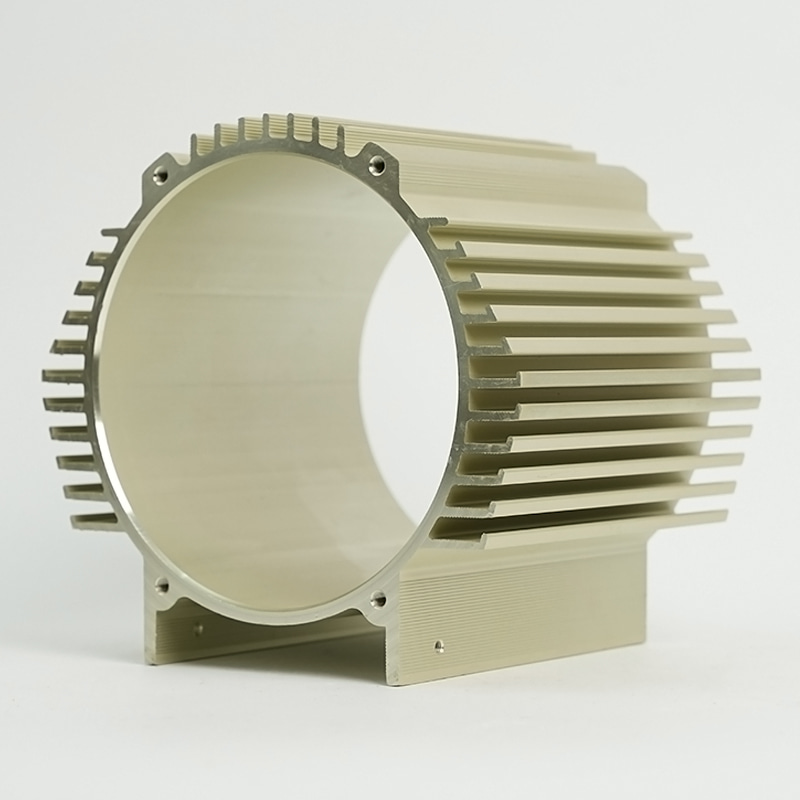
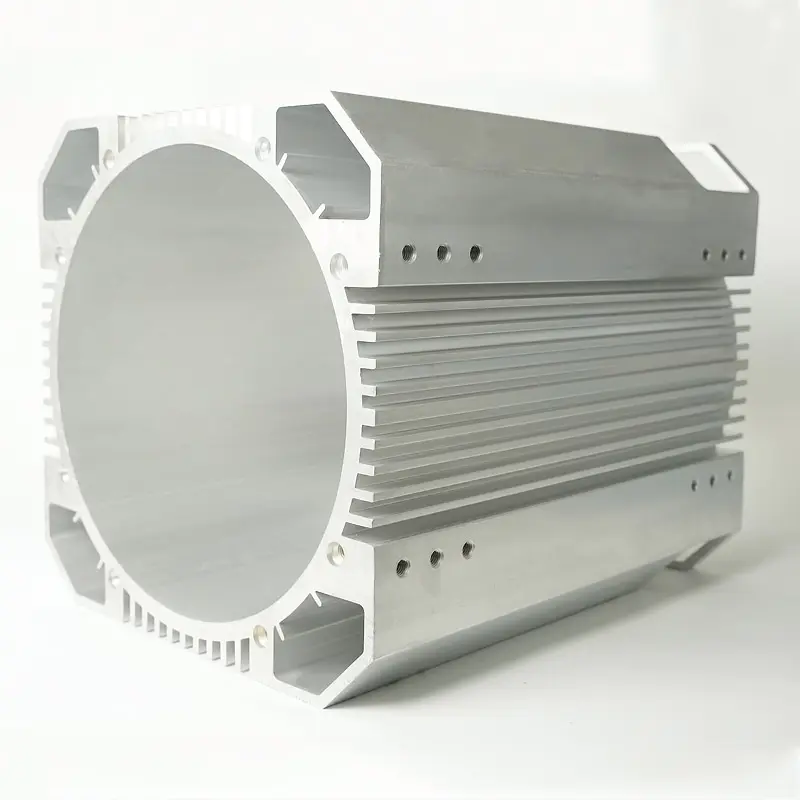
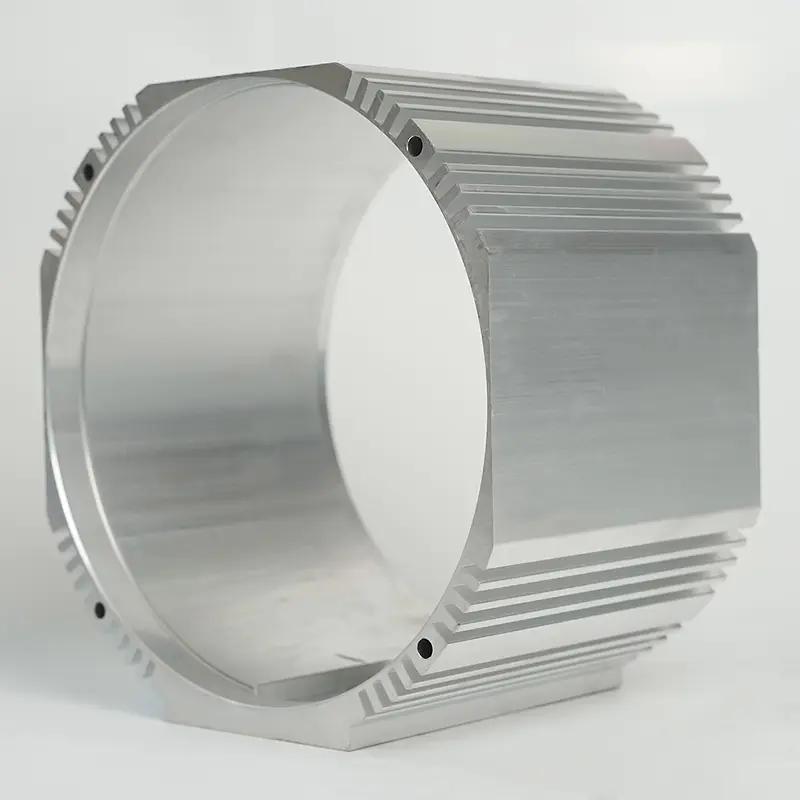
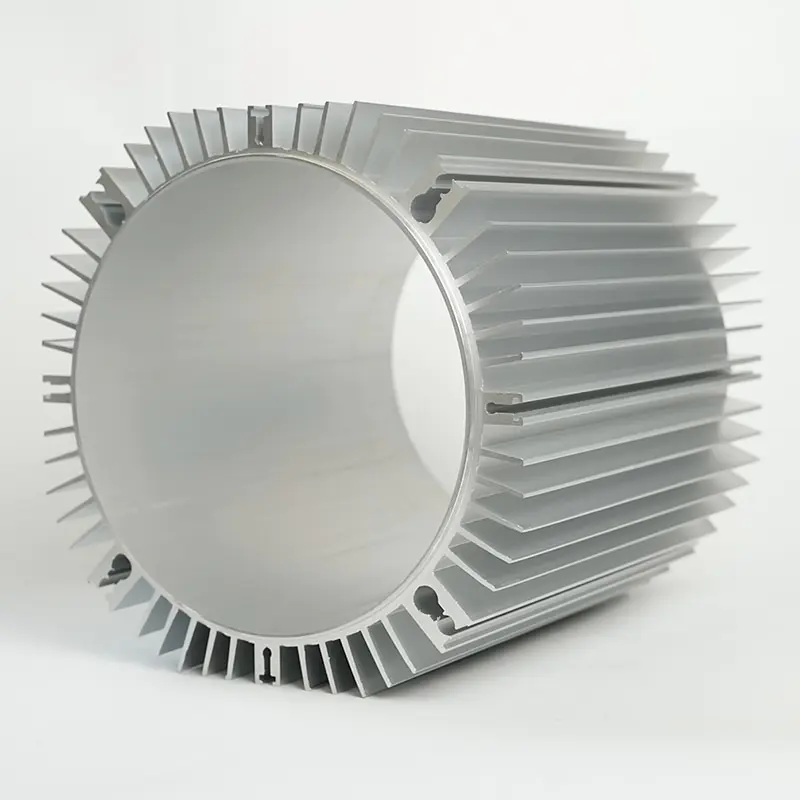
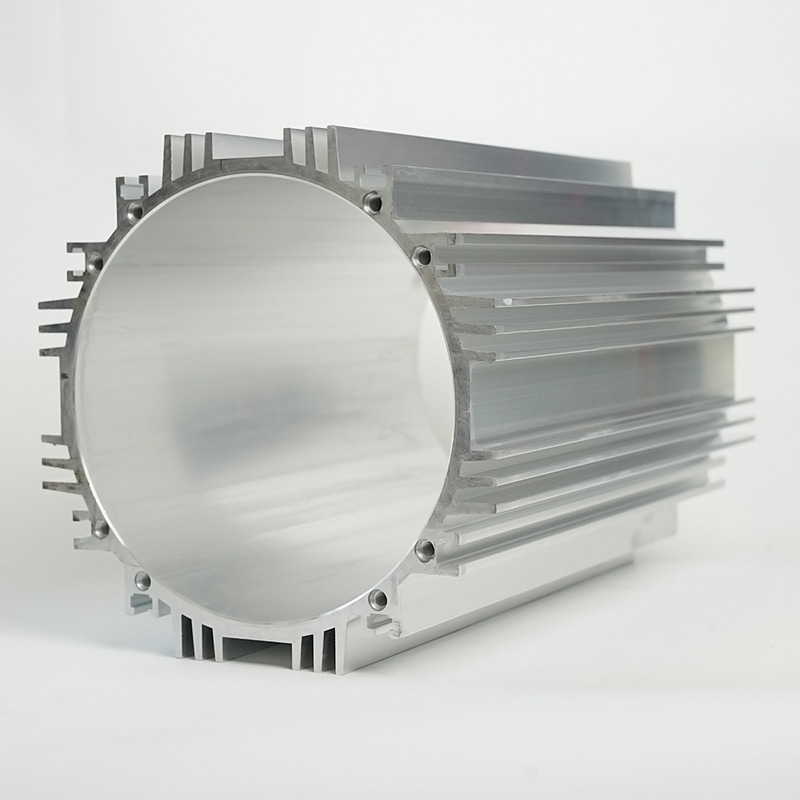
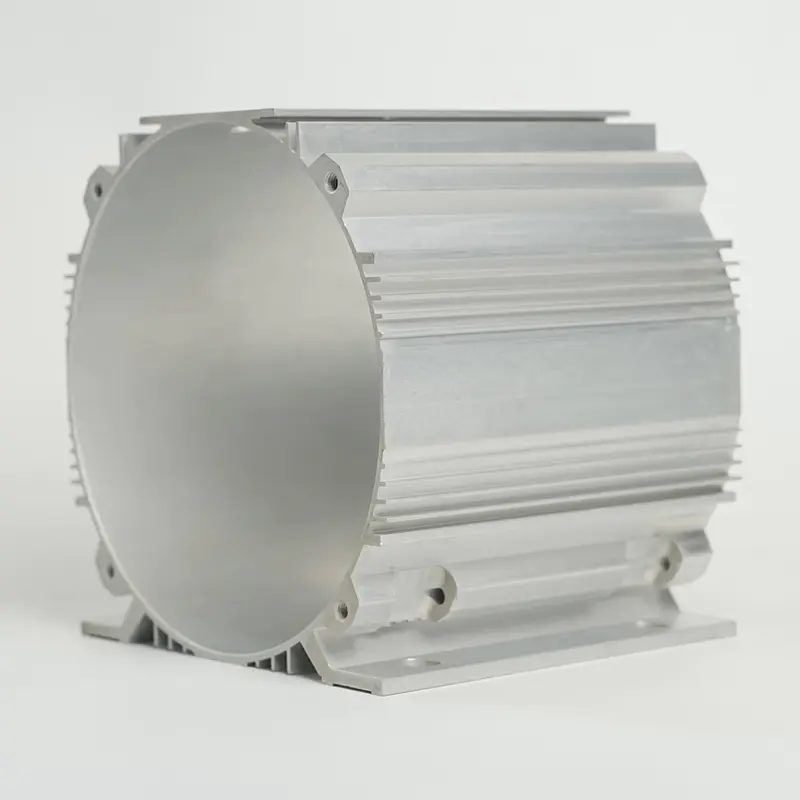
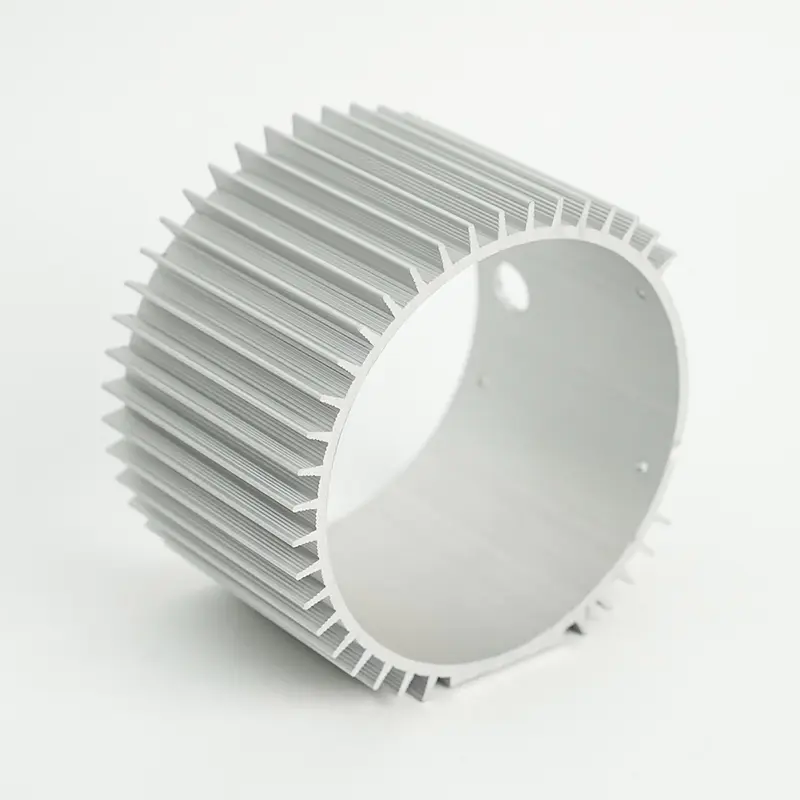
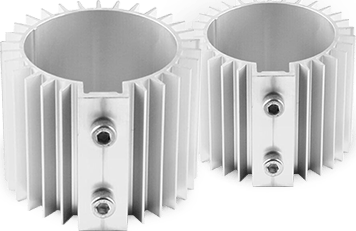
Aluminum pump motor housing serves as the protective enclosure integrating the electric motor stator, bearings, and cooling systems while maintaining precise alignment with the hydraulic pump section. Properly engineered aluminum housings reduce total pump weight by 60-70% compared to cast iron equivalents while providing adequate electromagnetic shielding and corrosion resistance for industrial fluid handling applications. The material's thermal conductivity of 96 W/mK enables efficient heat dissipation from motor windings, allowing continuous operation at temperatures to 80 degrees Celsius ambient without external cooling in most configurations. These characteristics make aluminum the dominant material choice for pump motors from fractional horsepower residential units to 500 HP industrial systems.
The global aluminum pump motor housing market exceeds $2.8 billion annually, driven by water management infrastructure investment and HVAC system expansion. Modern housing designs increasingly integrate computational fluid dynamics optimization for cooling airflow and modular architectures accommodating multiple pump configurations from common casting platforms.
Alloy Selection and Material Properties
Aluminum alloy selection for pump motor housings balances castability, mechanical strength, corrosion resistance, and thermal performance requirements.
A380 and A383 Die Casting Alloys
A380 aluminum alloy dominates high-pressure die casting applications, containing 7.5-9.5% silicon and 3.0-4.0% copper to achieve excellent fluidity and minimal shrinkage porosity. Tensile strength of 320 MPa and yield strength of 160 MPa provide adequate structural integrity for motor mounting feet and pump flange connections subjected to hydraulic pressure forces. The alloy's natural corrosion resistance, enhanced through chemical conversion coating or anodizing, withstands water exposure and mild chemical environments without protective painting.
A383 offers modified composition with 9.5-11.5% silicon and 2.0-3.0% copper, improving die filling characteristics for thin-wall housing sections (2.5-3.5 millimeters) and complex internal cooling passages. This alloy reduces hot cracking tendency in intricate geometries while maintaining 90% of A380 mechanical properties, making it preferred for high-volume production of compact pump motor units.
Wrought Alloy Applications and Machined Housings
Large pump motor housings exceeding 400 millimeters diameter or requiring extreme pressure ratings utilize 6061-T6 aluminum machined from extrusions or forgings. The magnesium-silicide precipitation-hardened alloy achieves 276 MPa yield strength and excellent fatigue resistance for cyclic loading environments. Machined housings accommodate integral cooling jackets with complex internal geometries impossible to cast reliably, though at 3-4 times the manufacturing cost of die-cast equivalents.
| Alloy Grade | Process | Tensile Strength | Corrosion Resistance | Typical Application |
|---|---|---|---|---|
| A380 | Die casting | 320 MPa | Good | General purpose pumps |
| A383 | Die casting | 310 MPa | Good | Complex thin-wall designs |
| A360 | Die casting | 300 MPa | Excellent | Marine and corrosive environments |
| 6061-T6 | Machining | 310 MPa | Excellent | High-pressure large pumps |
Die Casting Manufacturing Processes
High-pressure die casting produces the majority of aluminum pump motor housings with dimensional precision and surface finish minimizing secondary machining requirements.
Cold Chamber Die Casting Parameters
Cold chamber machines with locking forces of 800-2,500 metric tons accommodate housing sizes from 0.5 to 50 kilograms shot weight. Molten aluminum at 680-720 degrees Celsius transfers to the cold chamber (horizontal shot sleeve) and injects into hardened steel dies under 30-100 MPa pressure within 20-100 milliseconds. Rapid solidification (50-200 degrees Celsius per second) produces fine grain structures with minimal porosity, achieving as-cast dimensional tolerances of plus or minus 0.1 millimeters for critical motor mounting surfaces.
Die temperature control at 200-280 degrees Celsius through oil circulation channels prevents thermal fatigue cracking while promoting directional solidification. Vacuum-assisted die casting reduces entrapped air porosity by 60-80%, enabling pressure-tight castings for pump housings subjected to 10+ bar hydraulic pressures without impregnation sealing.
Trimming and Secondary Operations
Cast housings undergo automated trimming to remove gates, runners, and flash, followed by shot blasting or vibratory finishing to achieve Ra 3.2-6.3 micrometer surface finishes suitable for painting or coating. Critical machining operations include bearing bore finishing (H7 tolerance), motor mounting face milling (flatness 0.05 millimeters), and threaded insert installation for pump connection points. CNC machining centers achieve positioning accuracy of 0.01 millimeters for these precision features.
Thermal Management and Cooling System Integration
Aluminum pump motor housing design increasingly emphasizes heat dissipation capabilities as motor power density increases and efficiency standards tighten.
External Fin Design and Airflow Optimization
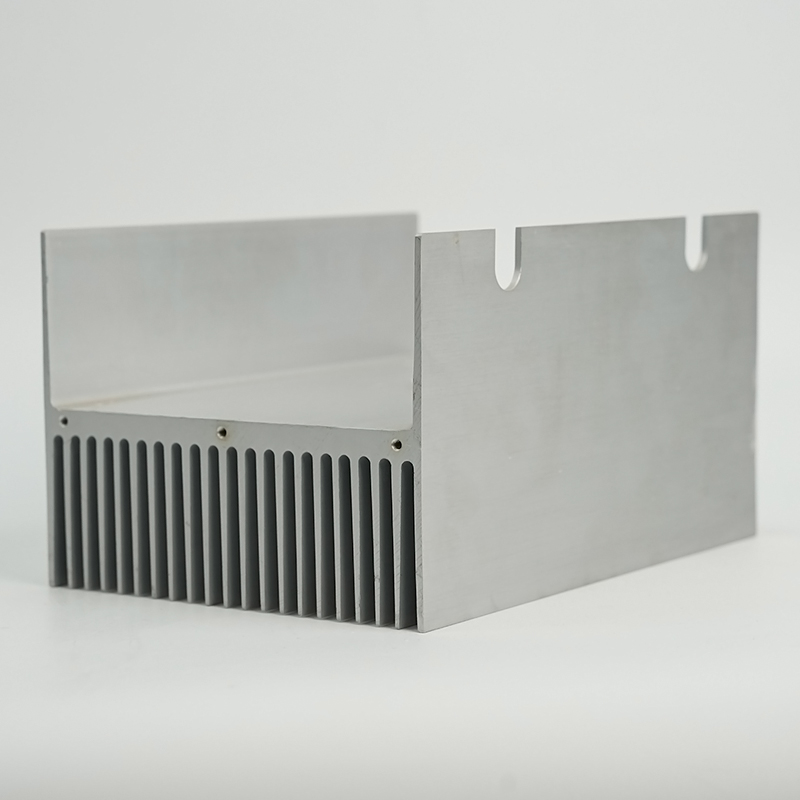
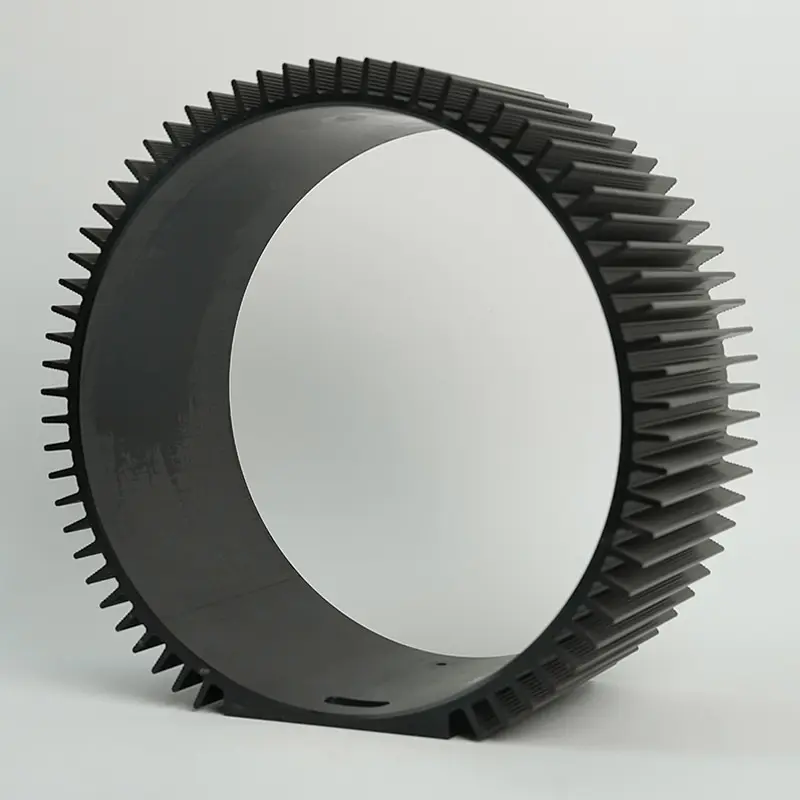
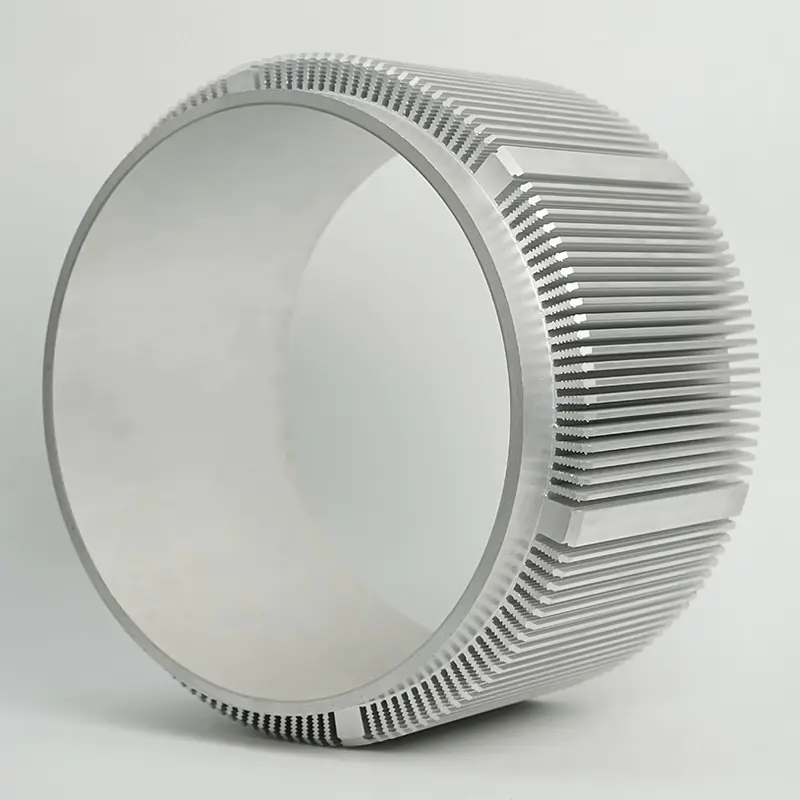
Natural convection cooling incorporates aluminum fins 2-4 millimeters thick with 8-15 millimeter spacing extending surface area by 300-500% over smooth cylindrical housings. Fin height of 20-40 millimeters balances heat transfer improvement against material cost and casting complexity. Computational fluid dynamics simulation optimizes fin orientation for both horizontal and vertical motor mounting configurations, with T-shaped or corrugated profiles enhancing turbulence and heat transfer coefficients to 15-25 W/m²K.
Forced air cooling through integrated fan housings achieves heat dissipation rates of 200-400 watts for continuous-duty pump motors, with aluminum fan blades cast integrally with the housing or attached via press-fit aluminum hubs. The material's low density (2.7 g/cm³) minimizes rotational inertia and fan motor power consumption compared to steel alternatives.
Liquid Cooling Jacket Architectures
High-power pump motors utilize integral water jackets cast into the aluminum housing, circulating coolant through spiral or axial passages surrounding the stator. Jacket designs maintain 3-5 millimeter wall thickness between cooling channels and stator bore to ensure adequate heat conduction while preserving structural rigidity. Pressure testing to 1.5 times operating pressure verifies jacket integrity before motor assembly.
Corrosion Protection and Surface Finishing
While aluminum exhibits natural passivation, pump motor housings in aggressive environments require enhanced protection through chemical and coating treatments.
Conversion Coatings and Anodizing
Chromate conversion coatings (Alodine) provide 0.5-4 micrometer protective films enhancing corrosion resistance and paint adhesion, though hexavalent chromium formulations face regulatory restriction. Trivalent chromium and titanium-zirconium alternatives achieve 80% of traditional performance with environmental compliance. Anodizing (Type II sulfuric acid) creates 5-25 micrometer aluminum oxide layers with hardness of 200-300 HV, offering abrasion resistance for marine and industrial pump applications.
Powder Coating and Wet Paint Systems
Polyester powder coating at 60-80 micrometer thickness provides durable cosmetic and protective finishes in standard motor colors (black, gray, blue). Electrostatic application and 180-200 degrees Celsius curing create cross-linked films with pencil hardness of 2H and salt spray resistance exceeding 500 hours. Wet epoxy or polyurethane systems serve specialized applications requiring chemical resistance to acids, alkalis, or solvents encountered in process pumping.
The aluminum pump motor housing represents a mature yet evolving product category where material science, precision manufacturing, and thermal engineering converge to enable efficient fluid handling across industrial, commercial, and residential applications. Continuous alloy development and casting process refinement extend aluminum's dominance in pump motor construction against competing materials.