
 English
 Español
Content
- 1 Introduction to Motor Housing Evolution
- 2 Material Comparison: Aluminum Alloy vs. Cast Iron
- 3 Technical Performance Table: Aluminum vs. Cast Iron
- 4 Manufacturing Processes: Die-Casting and Extrusion
- 5 Thermal Management and Cooling Fin Design
- 6 Applications in High-Precision Industries
- 7 Noise, Vibration, and Harshness (NVH) Considerations
- 8 Global Standards and Compliance
- 9 FAQ
- 10 References
Introduction to Motor Housing Evolution
The electric motor is the heart of industrial machinery, and its housing or enclosure is the critical skin that ensures its longevity and performance. Traditionally, cast iron was the dominant material due to its sheer mass and low cost. However, as global industries shift toward energy efficiency, lightweight design, and superior thermal management, the Aluminum Electric Motor Housing has emerged as the premier choice. This article provides a comprehensive technical exploration of aluminum housings, comparing them with traditional materials and detailing the manufacturing processes that define their performance.
Material Comparison: Aluminum Alloy vs. Cast Iron
When selecting a motor housing material, engineers must balance mechanical strength, weight, thermal conductivity, and corrosion resistance.
Weight and Density: Aluminum has a density of approximately 2.7 grams per cubic centimeter, which is about one-third that of cast iron (7.2 grams per cubic centimeter). In applications such as aerospace, electric vehicles, and portable industrial tools, this weight reduction is not just a benefit but a requirement. A lighter motor housing reduces the overall inertia of the system and lowers the structural load on mounting brackets and frames.
Thermal Conductivity: This is perhaps the most significant advantage of aluminum. Aluminum alloys typically possess a thermal conductivity ranging from 150 to 200 Watts per meter-Kelvin, whereas cast iron usually falls between 40 and 60 Watts per meter-Kelvin. Because motors generate substantial heat during operation, especially in high-torque or high-speed cycles, the ability of the housing to act as a heat sink is vital. Aluminum pulls heat away from the stator and copper windings much more effectively than iron, preventing insulation degradation.
Corrosion Resistance: Aluminum naturally forms a protective oxide layer when exposed to air. This makes it inherently resistant to moisture and many chemical environments. Cast iron, conversely, requires extensive painting or coating to prevent oxidation and rust, which can lead to structural failure over time if the coating is compromised.
Technical Performance Table: Aluminum vs. Cast Iron
| Property | Aluminum Alloy (e.g., ADC12/A380) | Cast Iron (e.g., HT200) |
|---|---|---|
| Density (g/cm3) | 2.7 | 7.2 - 7.8 |
| Thermal Conductivity (W/m.K) | 96 - 160 | 40 - 55 |
| Corrosion Resistance | High (Natural Oxide Layer) | Low (Prone to Rusting) |
| Tensile Strength (MPa) | 210 - 310 | 150 - 250 |
| Surface Finish | Smooth / Aesthetic | Rough / Industrial |
| Machining Precision | High | Medium |
| Vibration Damping | Moderate | High |
Manufacturing Processes: Die-Casting and Extrusion
There are two primary ways to manufacture aluminum motor housings, each serving different industrial needs.
High-Pressure Die Casting (HPDC):
This process involves injecting molten aluminum into a steel mold at high pressure. It is the preferred method for complex motor housings that require integrated cooling fins, mounting bosses, and internal cable management features. Die casting allows for thin-walled sections that maintain high structural integrity, which further reduces weight. The precision of die casting often eliminates the need for extensive secondary machining, saving time and material.
Aluminum Extrusion:
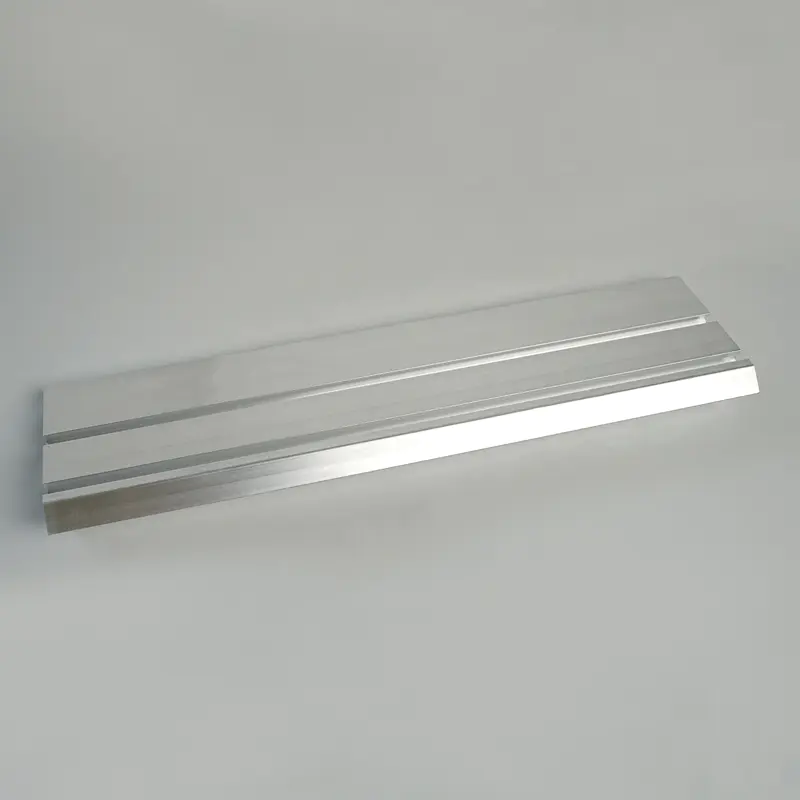
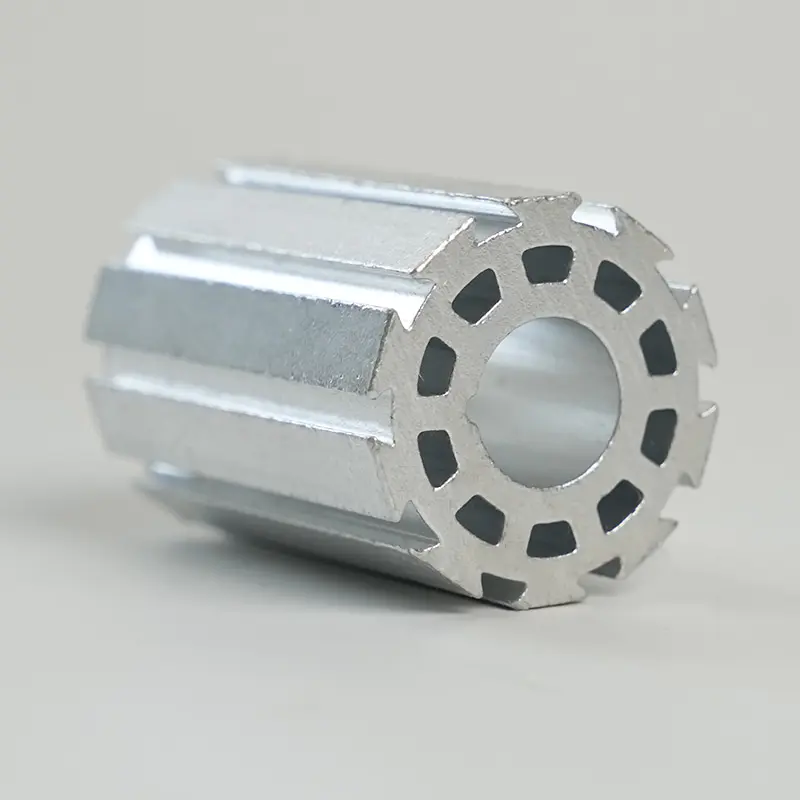
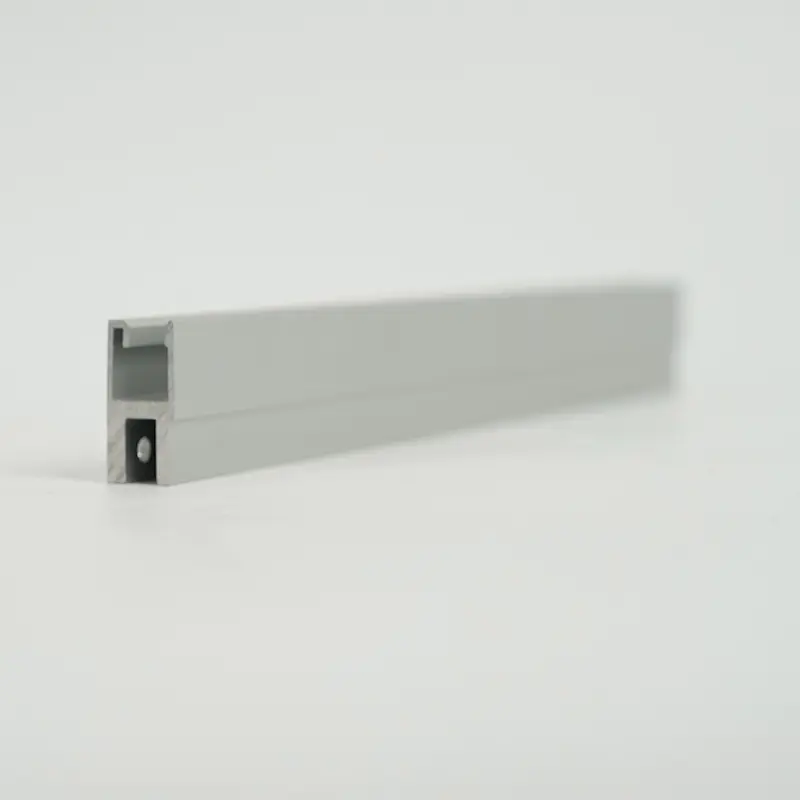
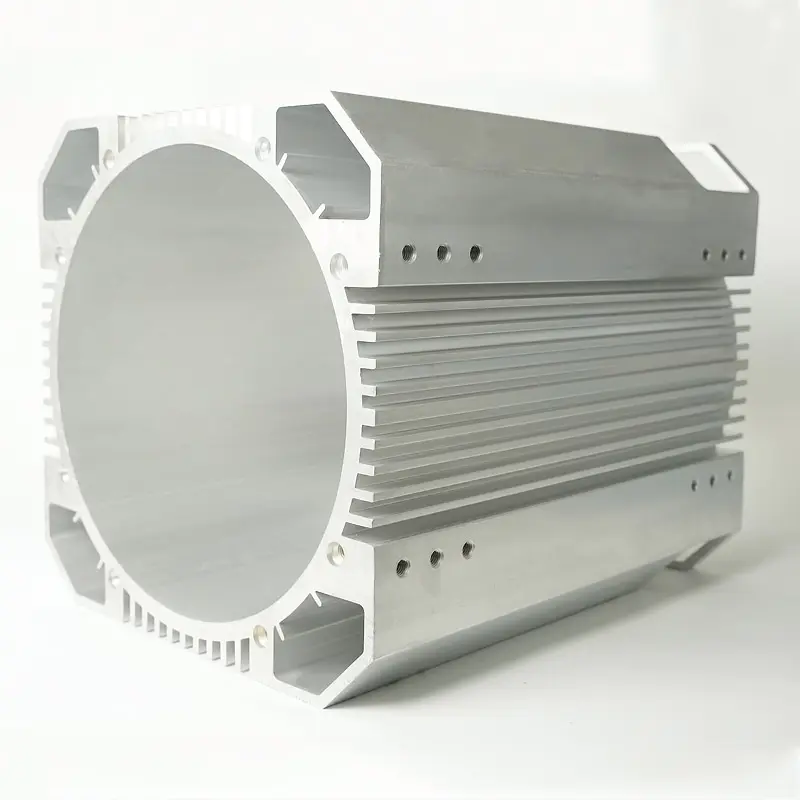
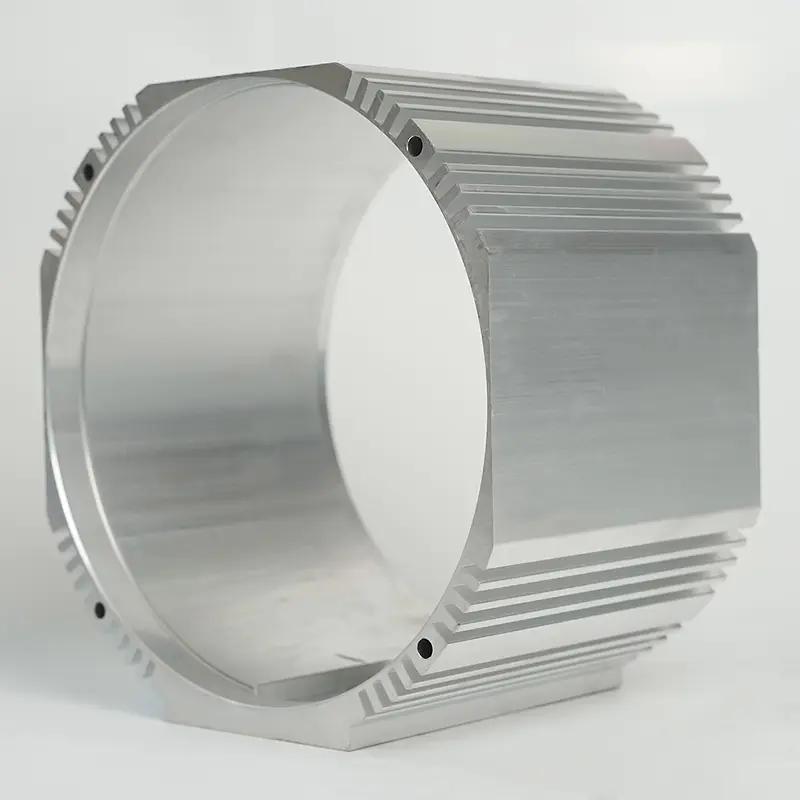
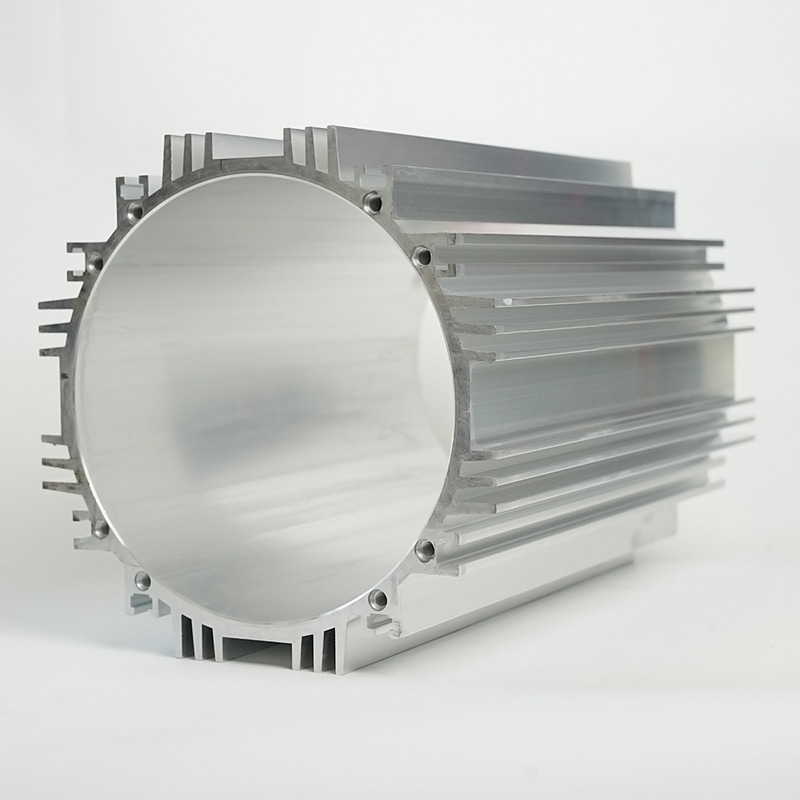
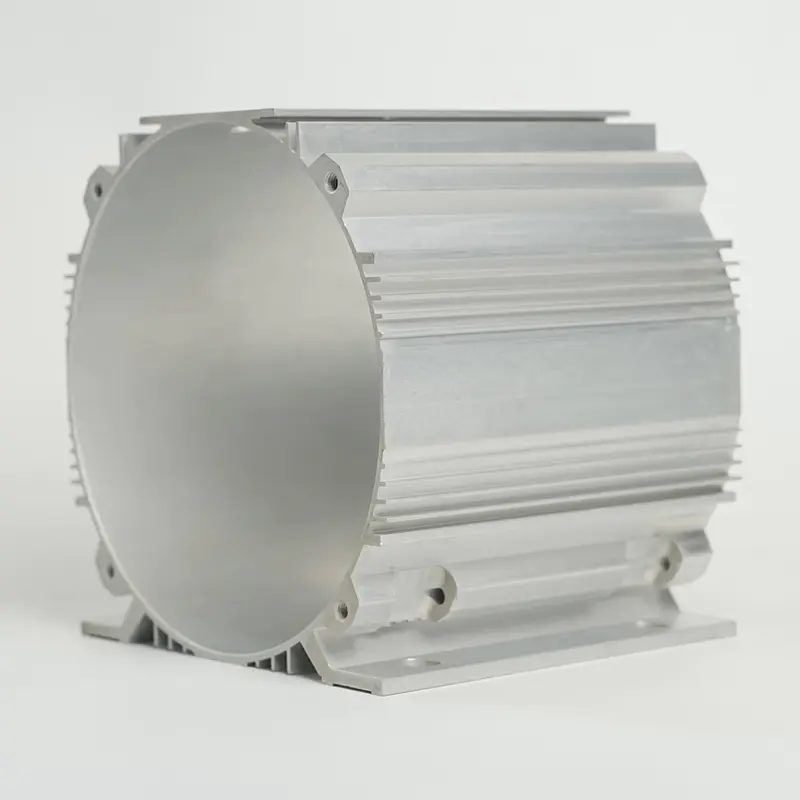
Extruded housings are created by pushing aluminum through a die to create a long, uniform profile. This is ideal for standard cylindrical or rectangular motor frames where the length can be cut to fit specific stator sizes. Extrusion is highly cost-effective for medium to large production runs and provides excellent surface finishes. However, it is limited to constant cross-sectional shapes, meaning mounting points usually must be added as secondary components.
Thermal Management and Cooling Fin Design
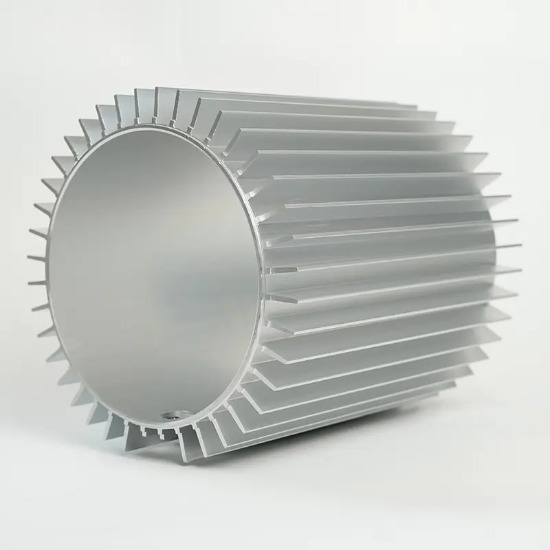
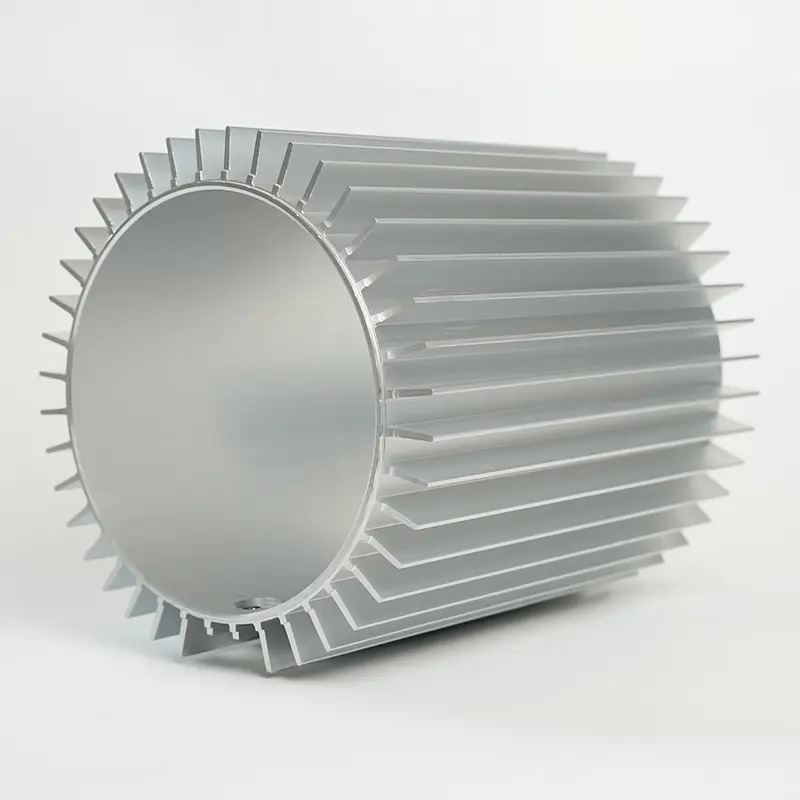
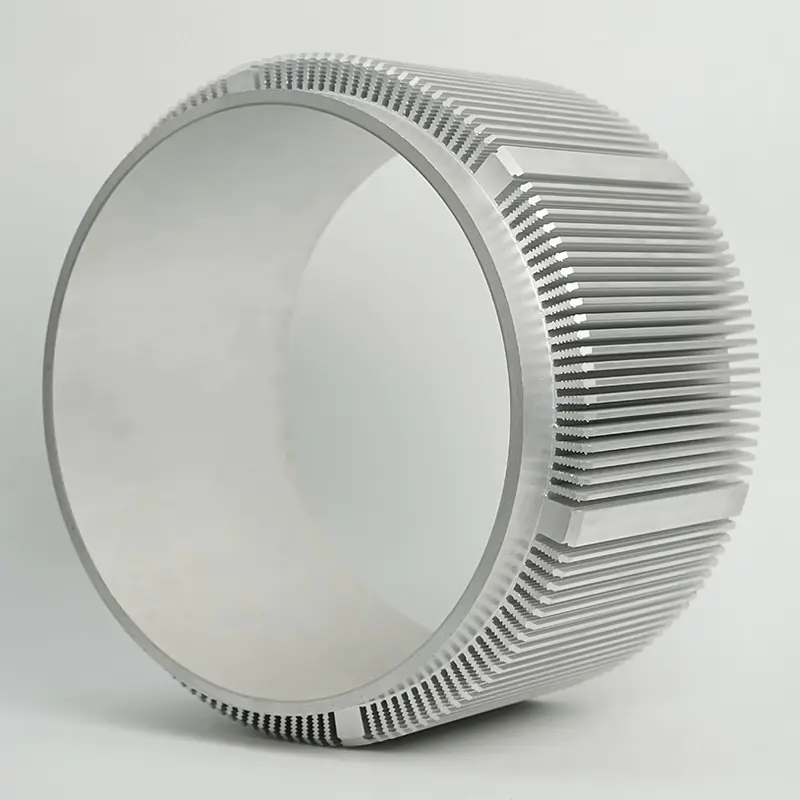
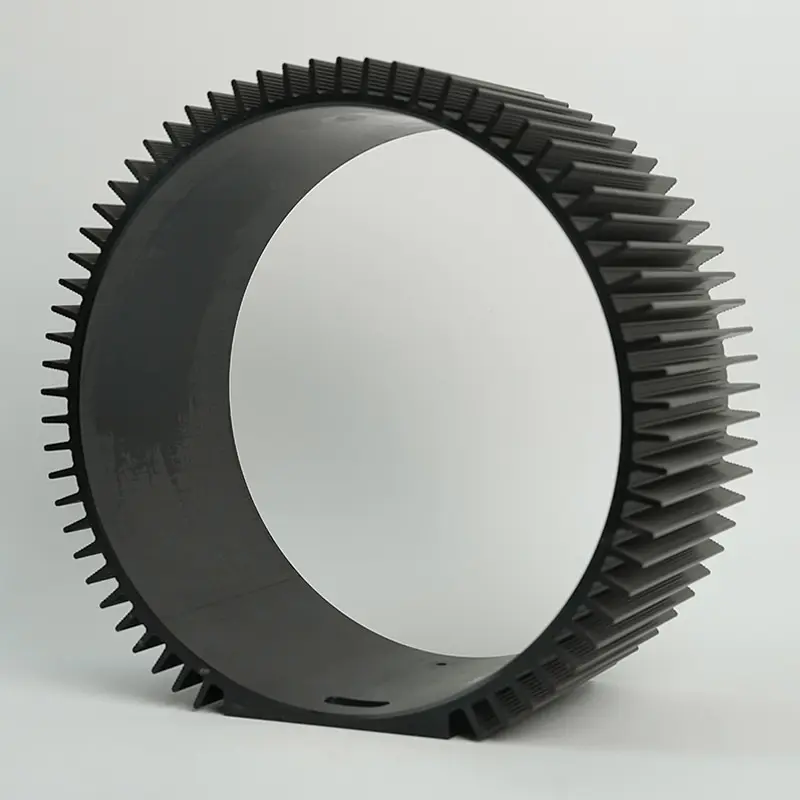
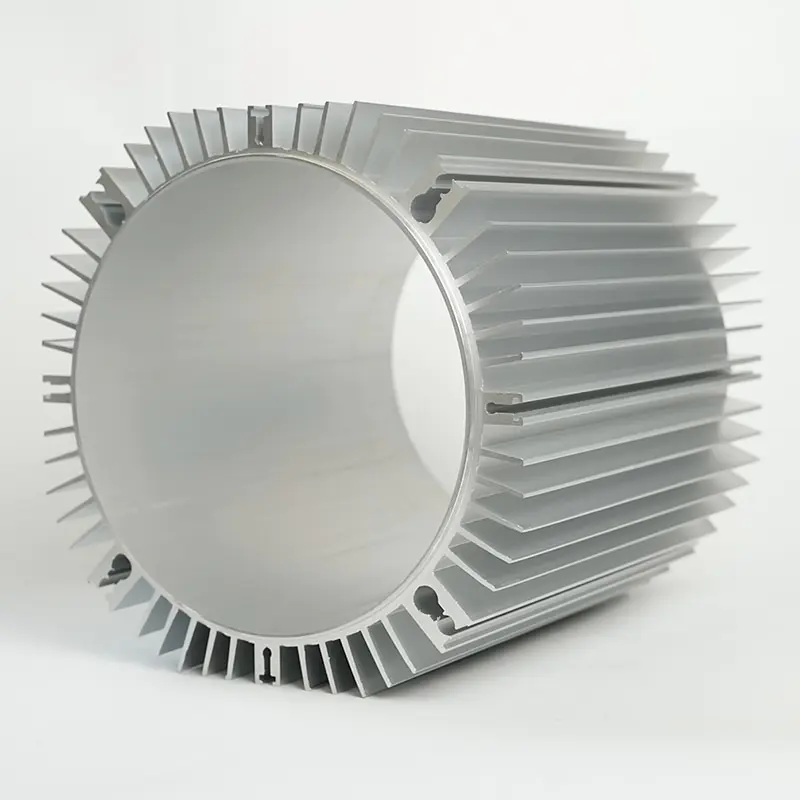
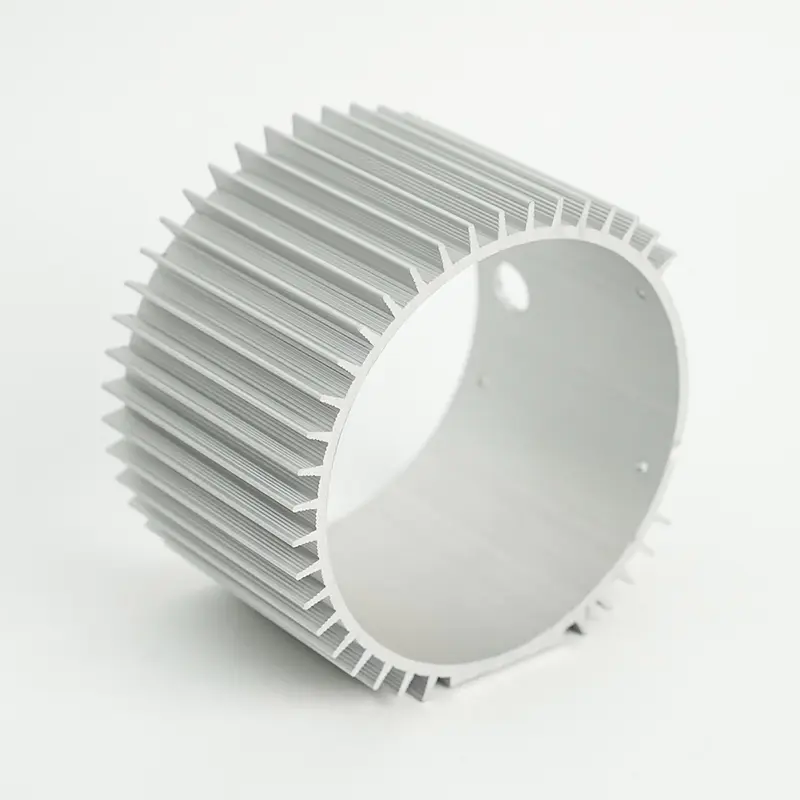
The efficiency of an electric motor is directly tied to its operating temperature. As the internal temperature rises, the electrical resistance of the copper windings increases, leading to more heat and less torque. Aluminum motor housings are designed with cooling fins that maximize the surface area exposed to the ambient air.
Engineers use computer fluid dynamics to optimize the spacing and height of these fins. In aluminum housings, the high thermal conductivity ensures that the temperature gradient between the internal stator and the outer fin tips is minimized. This allows for forced-air cooling (using a fan) or natural convection to be much more effective than it would be on a cast iron frame. For high-performance applications, such as liquid-cooled motors, aluminum is even more advantageous because complex water-cooling channels can be cast directly into the housing walls.
Applications in High-Precision Industries
The adoption of Aluminum Electric Motor Housings is most prevalent in sectors where precision and efficiency are paramount.
- Electric Vehicles (EVs): In the EV sector, every gram saved translates into increased driving range. Aluminum housings protect the high-speed traction motors while ensuring they do not overheat during rapid acceleration or fast charging.
- Industrial Automation: In robotics and CNC machinery, motors must start and stop with extreme precision. The low inertia of aluminum-housed motors allows for faster response times and higher accuracy.
- Medical Equipment: The aesthetic appeal, cleanliness (non-toxic and non-rusting), and low noise of aluminum make it ideal for hospital environments and diagnostic machines.
- Renewable Energy: Wind turbine pitch motors and solar tracking motors benefit from the weather-resistant properties of aluminum, ensuring long-term operation in harsh outdoor conditions.
Noise, Vibration, and Harshness (NVH) Considerations
One historical argument for cast iron was its superior vibration damping due to its high mass. However, modern aluminum alloy engineering has closed this gap. By using specific alloy compositions and structural ribbing, manufacturers can now produce aluminum housings that provide excellent NVH performance. Furthermore, the precision of aluminum die casting ensures a tighter fit for bearings, which reduces mechanical noise at the source.
Global Standards and Compliance
International standards such as IEC (International Electrotechnical Commission) and NEMA (National Electrical Manufacturers Association) define the frame sizes and mounting dimensions for motors. Aluminum housings are manufactured to meet these rigid specifications, ensuring they are interchangeable with cast iron counterparts. Standard frame sizes like 56, 63, 71, 80, and 90 often utilize aluminum as the default material because the mechanical loads in these smaller to medium ranges do not require the extreme bulk of iron.
FAQ
1. Is aluminum strong enough to replace cast iron in heavy-duty motor applications?
Yes, modern aluminum alloys like ADC12 and A380 offer high tensile strength and excellent structural integrity. While cast iron is still used for extremely large, high-vibration industrial motors (above 200kW), aluminum is the standard for small to medium-sized motors due to its superior strength-to-weight ratio.
2. How does an aluminum motor housing improve energy efficiency?
It improves efficiency in two ways: first, the lightweight nature reduces the energy required to move or support the motor. Second, superior heat dissipation keeps the motor running at a lower temperature, which reduces electrical resistance in the windings and prevents energy loss.
3. Do aluminum motor housings require painting?
Aluminum has natural corrosion resistance, so it does not require painting to prevent rust. However, many manufacturers use powder coating or anodizing for additional protection in acidic environments or for aesthetic branding purposes.
4. Can aluminum motor housings be used in food grade or medical environments?
Absolutely. Aluminum is non-toxic and does not flake or rust like iron. This makes it ideal for the food and beverage industry and medical laboratories where hygiene and cleanliness are strictly regulated.
5. What is the difference between a die-cast and an extruded aluminum housing?
Die-cast housings are made in a mold and can have complex shapes and integrated parts. Extruded housings are made by pushing metal through a die to create a consistent profile, which is then cut to length. Die casting is better for complex designs, while extrusion is often used for simpler, high-volume frame production.
References
- International Aluminum Institute (IAI): Reports on the thermal properties and industrial applications of aluminum alloys in electrical engineering.
- IEC 60034-1 Standard: Rotating electrical machines – Part 1: Rating and performance specifications for motor frames.
- NEMA MG 1-2021: Motors and Generators – Standards for dimensions and material tolerances in North American markets.
- ASM International: Handbook on Aluminum and Aluminum Alloys – Data on tensile strength and thermal conductivity of ADC12 and A380.
- Journal of Materials Processing Technology: Research papers regarding the efficiency of high-pressure die casting for motor enclosures.