
 English
 Español
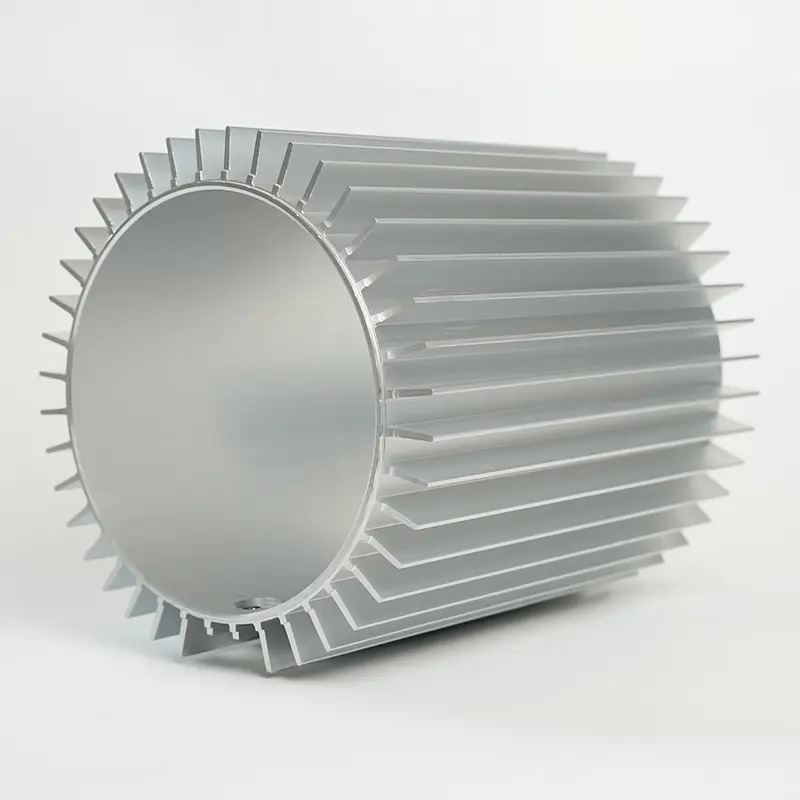
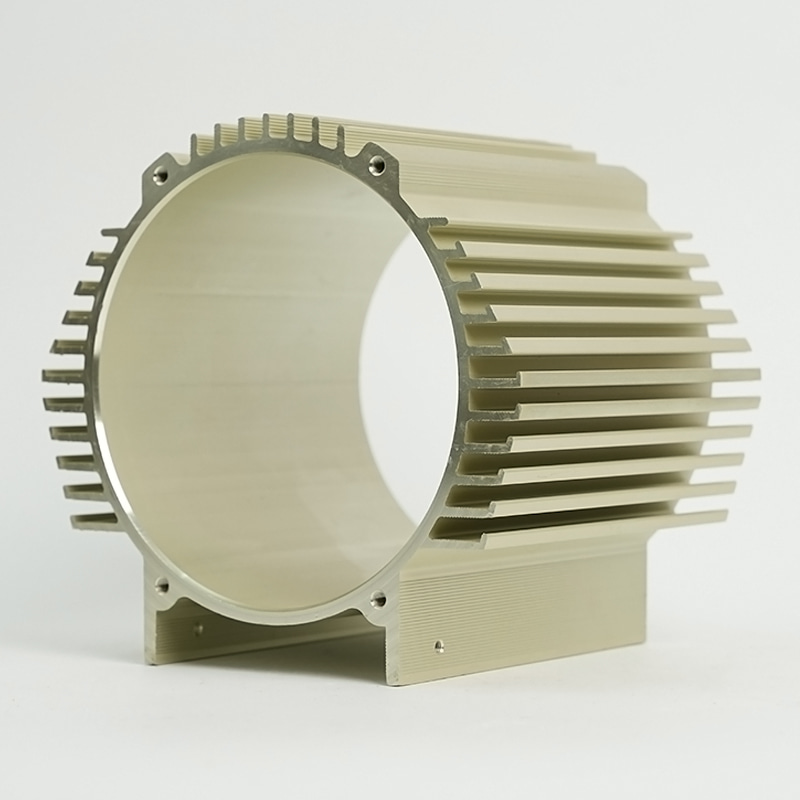
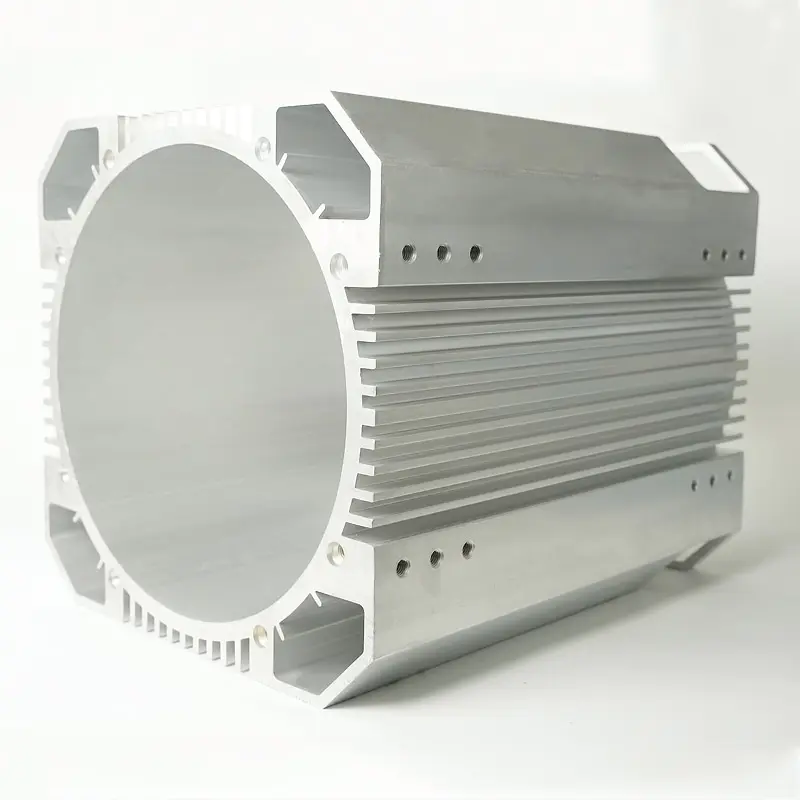
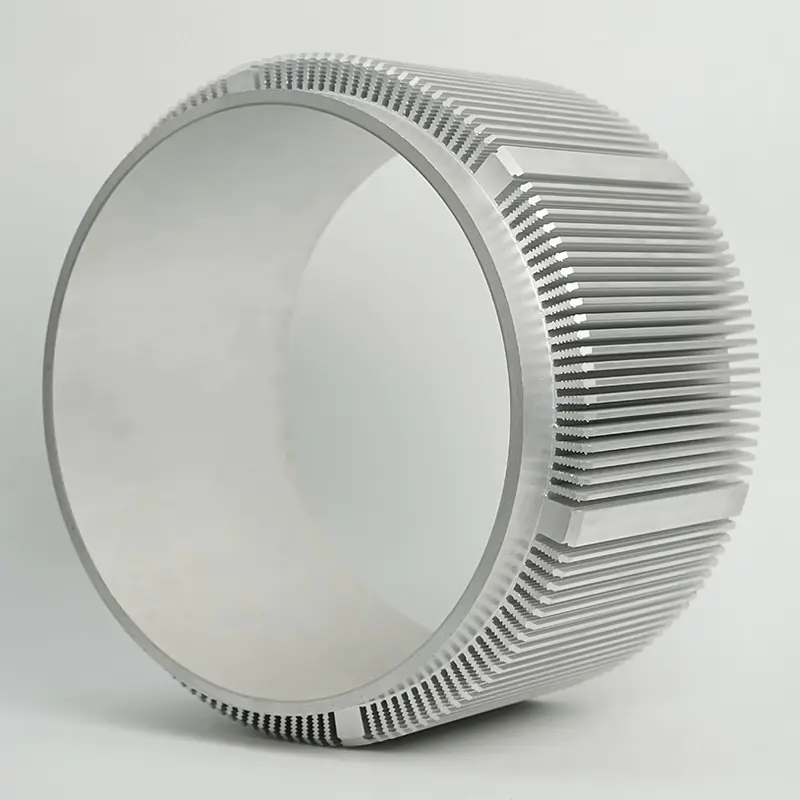
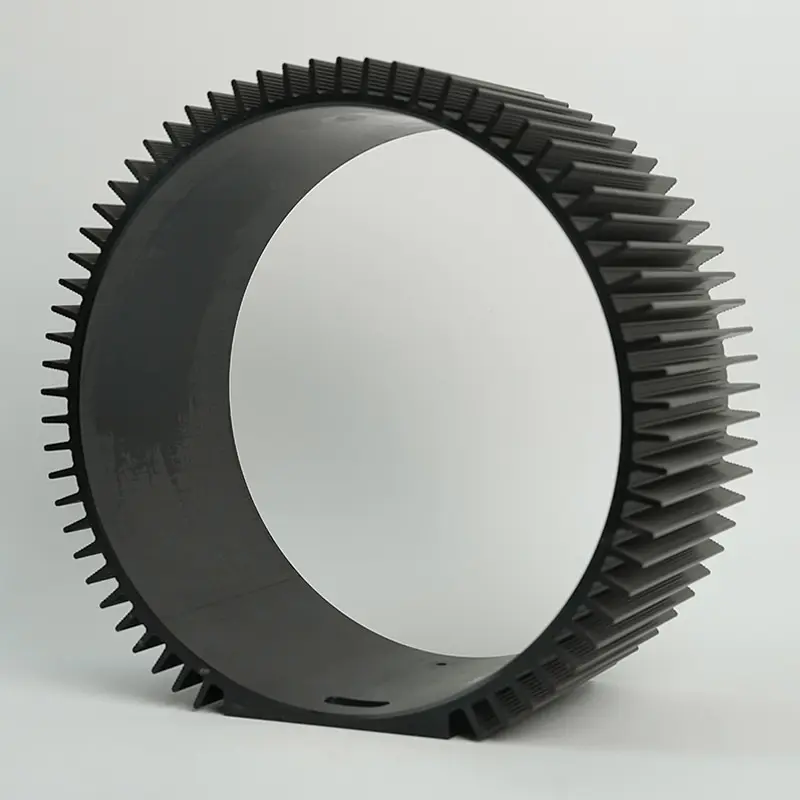
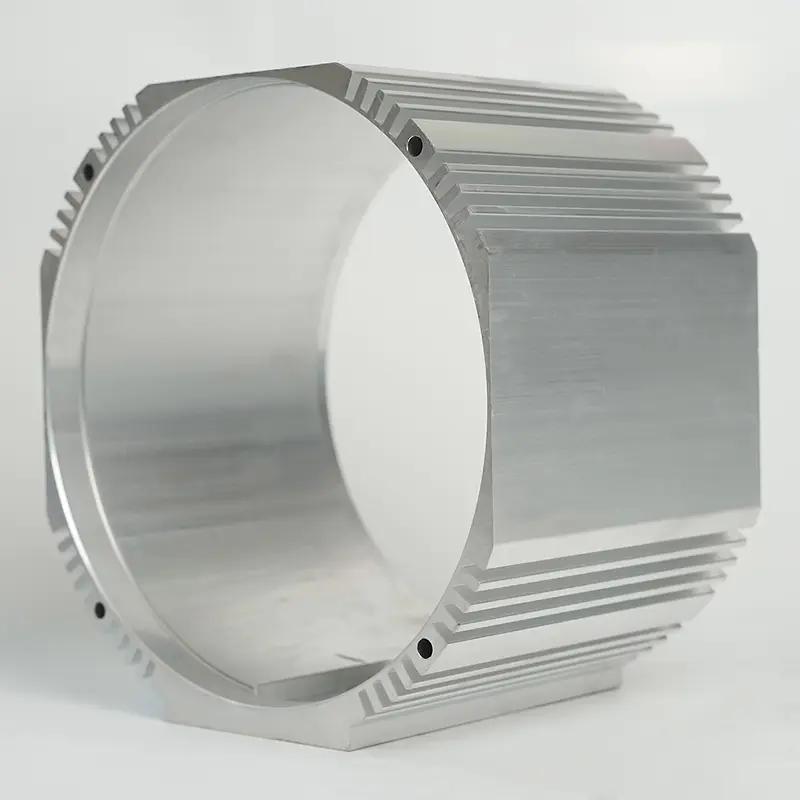
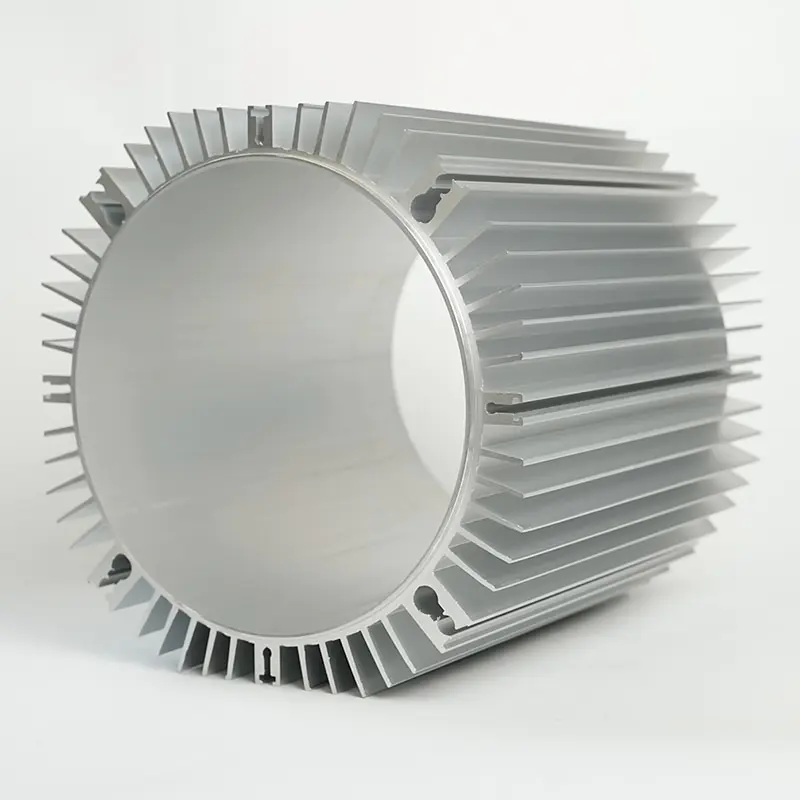
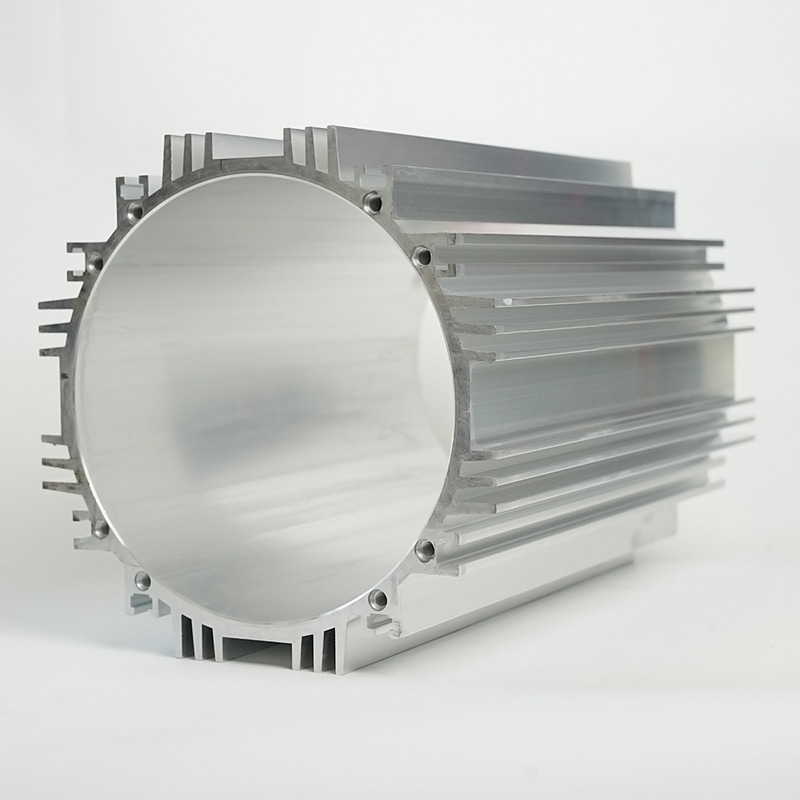
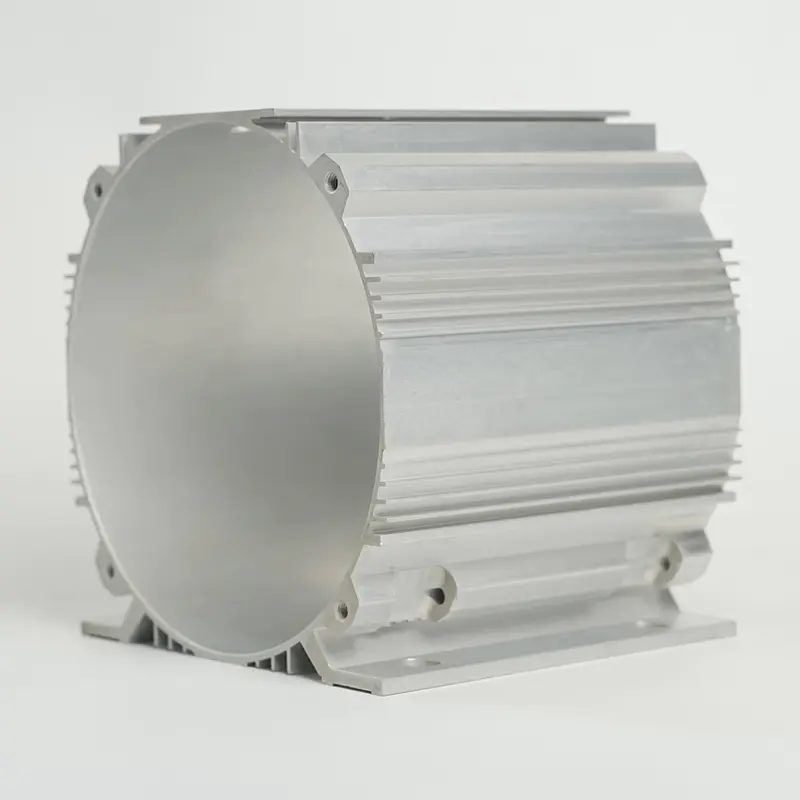
In the transition toward sustainable logistics, electric forklifts require propulsion systems that operate with high efficiency and superior thermal management. Central to this performance is the Forklift Extruded Motor Housing. Unlike traditional cast iron enclosures, an aluminum motor housing produced via precision extrusion offers a unique combination of lightweight design and high thermal conductivity. By utilizing advanced 6063-T5 or 6061-T6 aluminum alloys, engineers can optimize the heat dissipation of the motor while maintaining structural integrity under heavy-duty cycles. This article delves into the technical specifications, manufacturing precision, and operational benefits of using a Forklift Extruded Motor Housing in modern material handling equipment.
Content
- 1 1. Material Selection: Extruded Aluminum vs. Cast Iron
- 2 2. Thermal Management and Forklift Electric Motor Cooling
- 3 3. Precision Manufacturing: 6063-T5 Aluminum Properties
- 4 4. Durability and Structural Integrity
- 5 5. Conclusion: Why Extrusion is the Standard for the Future
- 6 Frequently Asked Questions (FAQ)
- 6.1 1. Why is 6063-T5 the most common alloy for Forklift Extruded Motor Housing?
- 6.2 2. Can a heavy-duty extruded forklift motor enclosure handle outdoor environments?
- 6.3 3. How does the extruded motor housing's thermal conductivity affect battery life?
- 6.4 4. What is the typical tolerance for custom forklift motor housing manufacturing?
- 6.5 5. Is Forklift Extruded Motor Housing recyclable?
- 7 Industry References
1. Material Selection: Extruded Aluminum vs. Cast Iron
The choice of material for a motor enclosure significantly impacts the motor's power density. A Forklift Extruded Motor Housing made from aluminum provides roughly three times the thermal conductivity of cast iron, allowing for rapid heat transfer away from the stator windings. While cast iron is known for its dampening properties, it often acts as an insulator, leading to higher internal temperatures and potential insulation breakdown. In contrast, the benefits of extruded aluminum for forklift motors include a significant weight reduction—often up to 40% compared to casting—which improves the overall energy efficiency and battery life of the electric forklift.
| Property | Cast Iron (Grey Iron) | Extruded Aluminum (6063-T5) |
| Thermal Conductivity | ~50 W/(m·K) | ~200 W/(m·K) |
| Density | ~7.2 g/cm³ | ~2.7 g/cm³ |
| Surface Quality | Rough (Requires heavy machining) | Smooth (High precision extrusion) |
| Corrosion Resistance | Low (Requires coating) | High (Natural oxide layer) |
2. Thermal Management and Forklift Electric Motor Cooling
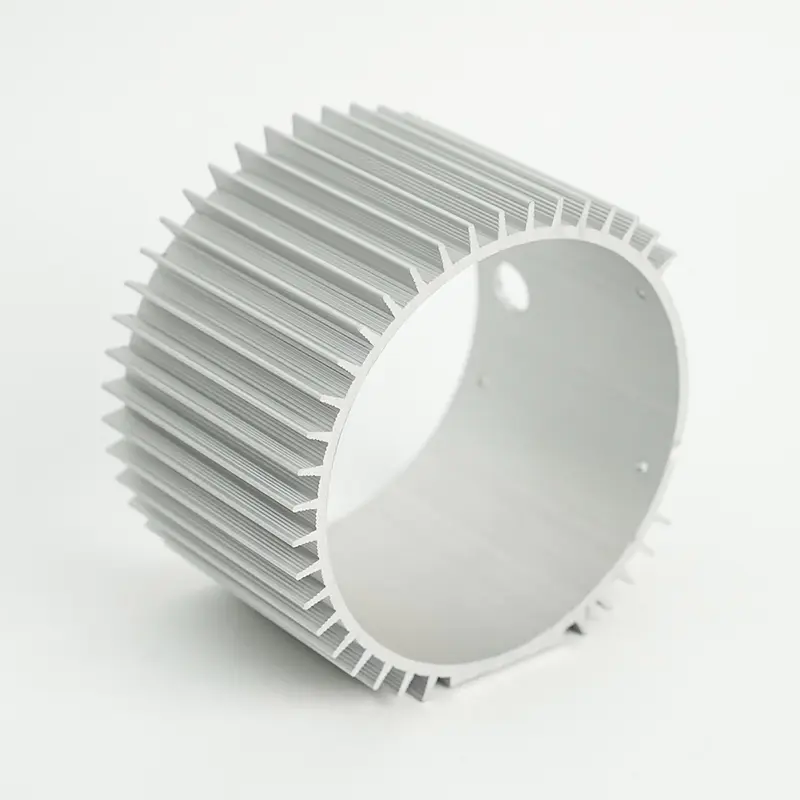
Efficient forklift electric motor cooling is vital for maintaining peak torque during long shifts in warehouses or cold storage environments. The extrusion process allows for the integration of complex internal longitudinal cooling fins or external heat sinks that are physically impossible or prohibitively expensive to manufacture via traditional casting. A high-quality aluminum motor housing facilitates better airflow and larger surface areas for convection. By analyzing the extruded motor housing thermal conductivity, engineers can predict the temperature gradient across the motor frame, ensuring that the motor stays within its Class H or Class F insulation temperature limits.
Improving Heat Dissipation Through Fin Design
Extruded fins increase the convective surface area by up to 300% compared to a flat-surfaced housing, directly impacting the continuous power rating of the forklift motor.
| Design Factor | Standard Flat Housing | Integrated Fin Extruded Housing |
| Convective Surface Area | Base (1x) | Enhanced (2.5x - 3.5x) |
| Heat Dissipation Rate | Lower | Significantly Higher |
| Operating Temperature | Higher (Tends to peak early) | Stable (Longer peak performance) |
3. Precision Manufacturing: 6063-T5 Aluminum Properties
The 6063-T5 aluminum properties for motor housing make it the ideal candidate for extrusion. This alloy offers excellent extrudability, allowing for tight tolerances in the inner diameter (ID) and outer diameter (OD). Precision is crucial because a Forklift Extruded Motor Housing must provide a perfect interference fit with the motor stator to ensure efficient heat conduction. Poor tolerances can lead to air gaps, which act as thermal insulators. Furthermore, custom forklift motor housing manufacturing using CNC post-processing ensures that end-cap mounting surfaces and cable entry ports meet stringent IP65 or IP67 ingress protection standards.
4. Durability and Structural Integrity
A common engineering question is how to maintain extruded aluminum motor housings in harsh industrial environments. Unlike castings that may have internal porosity or blowholes, extruded profiles are dense and uniform. This results in a heavy-duty extruded forklift motor enclosure that can withstand the mechanical vibrations and occasional impacts typical of warehouse operations. When performing a forklift motor housing durability test, engineers look for fatigue resistance and the ability of the 6000-series aluminum to resist stress corrosion cracking, particularly in environments where moisture or chemical cleaners are present.
Comparison: Structural Stability and Porosity
Extruded aluminum provides a homogeneous grain structure that eliminates the structural weaknesses often found in sand-cast or die-cast alternatives.
| Structural Metric | Sand Casting | Precision Extrusion |
| Material Density | Inconsistent (Risk of voids) | Uniform (High density) |
| Tensile Strength | Moderate | High (Enhanced by T5/T6 aging) |
| Dimensional Tolerance | ±0.5mm to 1.0mm | ±0.05mm to 0.1mm |
5. Conclusion: Why Extrusion is the Standard for the Future
The Forklift Extruded Motor Housing has become the industry standard for high-performance electric lift trucks. By optimizing material science and thermal engineering, manufacturers can produce motors that are smaller, lighter, and more powerful. Understanding the extruded vs cast forklift motor housing performance differences is essential for procurement and engineering teams seeking to reduce downtime and increase the operational lifespan of their forklift fleets.
Frequently Asked Questions (FAQ)
1. Why is 6063-T5 the most common alloy for Forklift Extruded Motor Housing?
6063-T5 offers the best balance of thermal conductivity, surface finish, and extrudability. It allows for complex fin shapes while maintaining enough strength to house the motor stator securely.
2. Can a heavy-duty extruded forklift motor enclosure handle outdoor environments?
Yes. Aluminum naturally forms a protective oxide layer that resists corrosion. When combined with anodizing or powder coating, it becomes exceptionally durable for outdoor or salty environments.
3. How does the extruded motor housing's thermal conductivity affect battery life?
When a motor runs cooler, it operates more efficiently. Lower internal resistance in the copper windings (due to lower temperatures) means less energy is wasted as heat, directly extending the forklift's battery run-time per charge.
4. What is the typical tolerance for custom forklift motor housing manufacturing?
High-precision extrusion can achieve tolerances as tight as ±0.1mm. Post-extrusion CNC machining can further refine critical dimensions, such as the bearing seat or stator fit, to ±0.01mm.
5. Is Forklift Extruded Motor Housing recyclable?
Absolutely. Aluminum is 100% recyclable without losing its properties. This makes it a preferred choice for companies aiming to meet ESG (Environmental, Social, and Governance) targets in their supply chain.
Industry References
- Aluminum Association (2023). "Aluminum Standards and Data: Extruded Products.""
- IEEE Transactions on Industry Applications. "Thermal Management of Electric Traction Motors.""
- International Journal of Heat and Mass Transfer. ""ooling Performance of Finned Aluminum Enclosures.""
- ISO 9001:2015. ""Qality Management Systems for Metal Extrusion and Machining.""