
 English
 Español
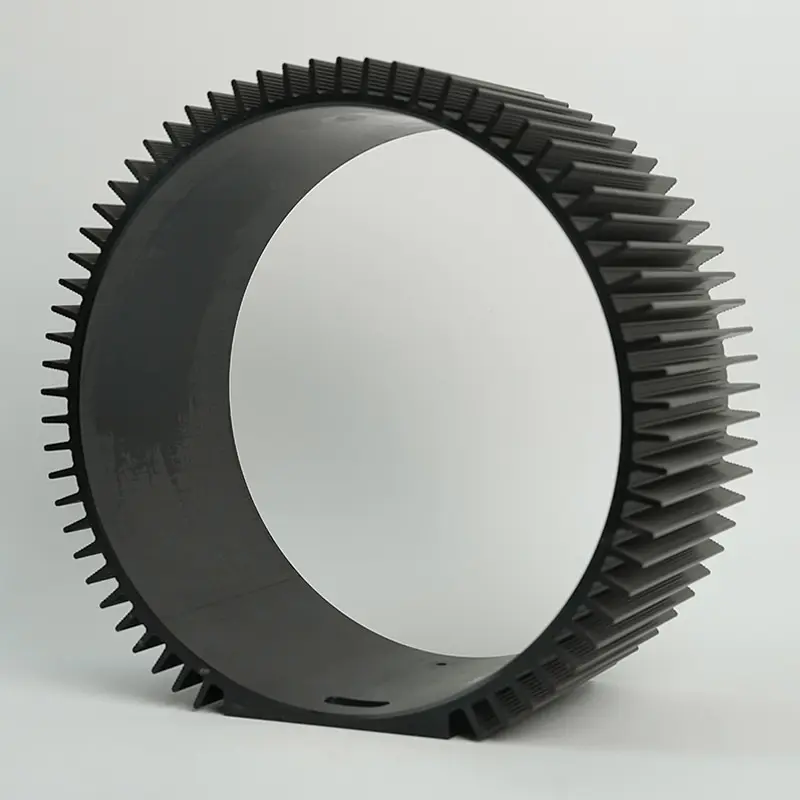
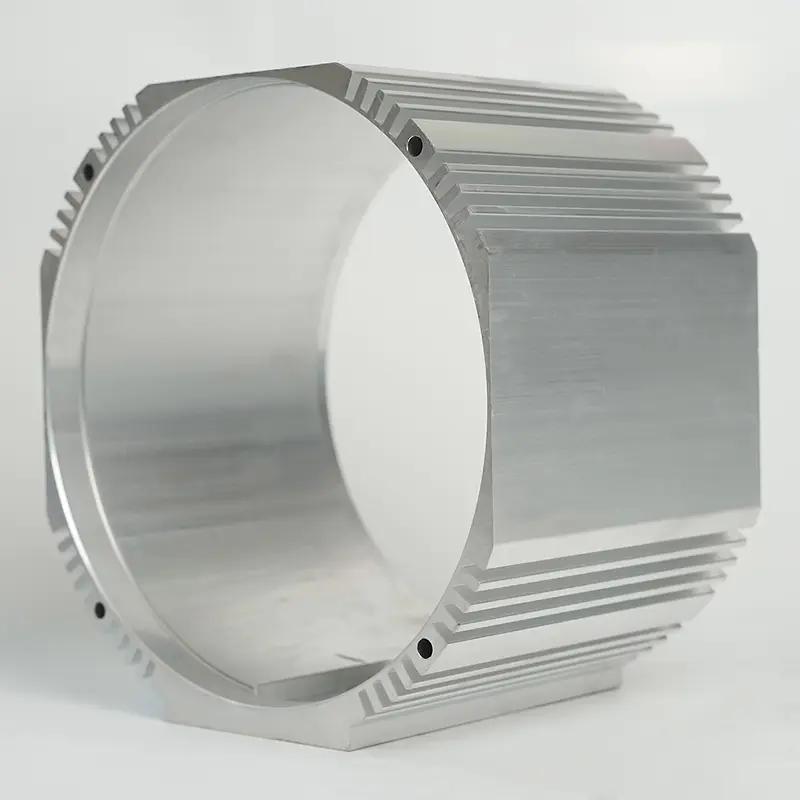
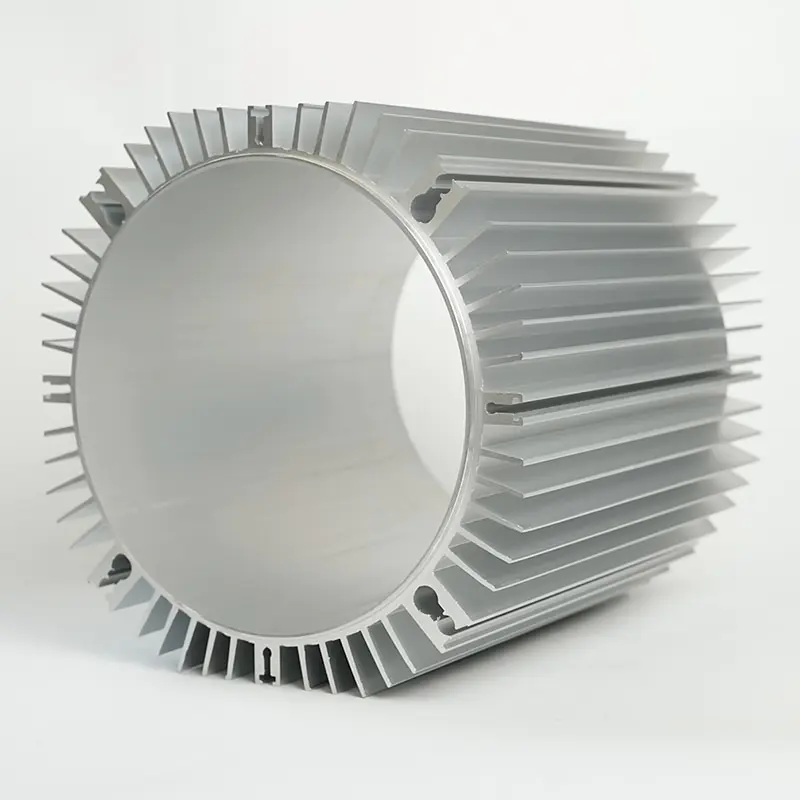
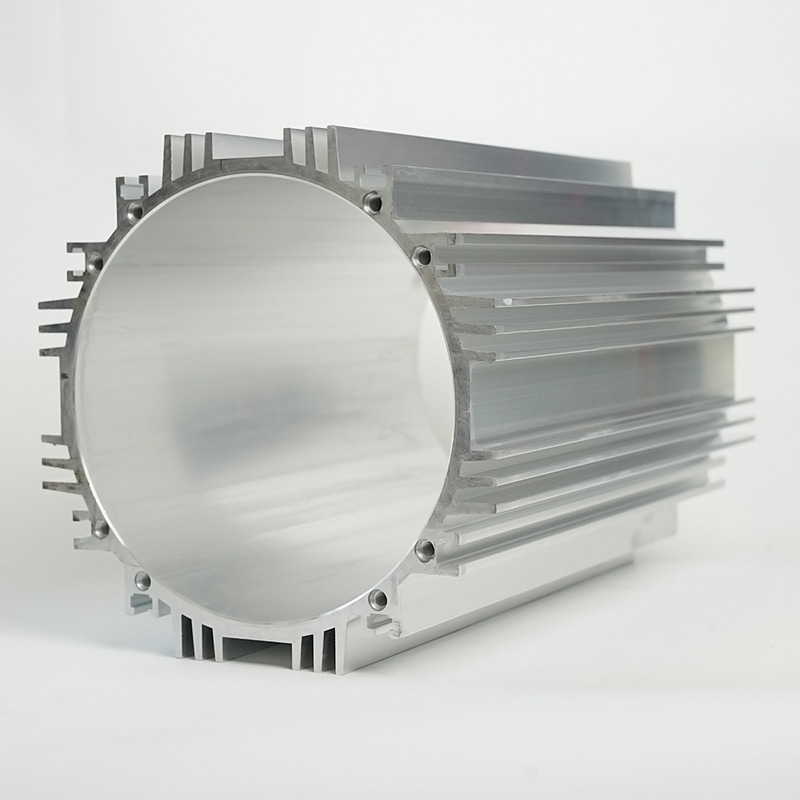
The integration of renewable energy sources like solar and wind into the power grid presents a unique challenge: managing intermittent supply. Energy storage systems (ESS) are the linchpin for stability, but their efficiency and longevity hinge on effective thermal management. At the heart of this lies a critical component – the energy storage heat sinks housing. This specialized enclosure does far more than just contain batteries; it is an active thermal regulation system designed to dissipate heat, maintain optimal operating temperatures, and ensure safety. As renewable systems scale, the role of these housings evolves from a passive box to an intelligent, integral part of performance optimization. This article delves into the key benefits of advanced heat sink housings, exploring how they enhance efficiency, safety, and the overall viability of renewable energy solutions. We'll examine specific design considerations, material choices, and the direct impact on system lifecycle and return on investment.
Content
- 1 Optimizing Thermal Management for Enhanced Battery Life and Performance
- 2 Material Selection and Design for Durability and Efficiency
- 3 Enhancing System Safety and Reliability in Demanding Environments
- 4 Cost-Benefit Analysis and Long-Term ROI for Renewable Projects
- 5 FAQ
- 5.1 What is the difference between a standard battery enclosure and an energy storage heat sink housing?
- 5.2 How important is corrosion resistance for outdoor energy storage housings?
- 5.3 Can I retrofit a heat sink housing to an existing battery storage system?
- 5.4 What maintenance does a liquid-cooled heat sink housing require?
- 5.5
- 5.6 How does thermal management impact the overall efficiency (round-trip efficiency) of an energy storage system?
Optimizing Thermal Management for Enhanced Battery Life and Performance
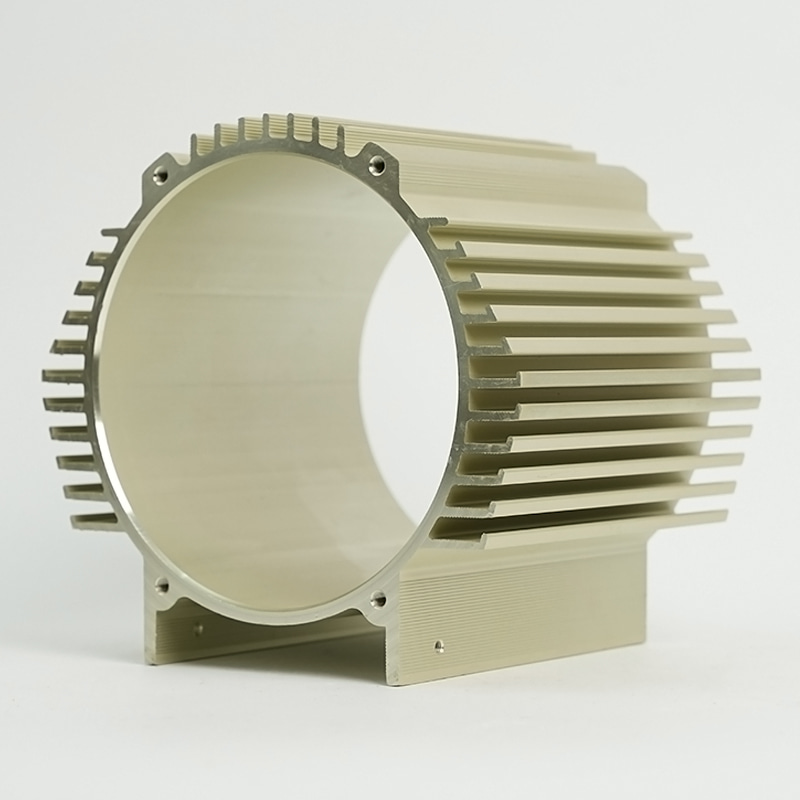
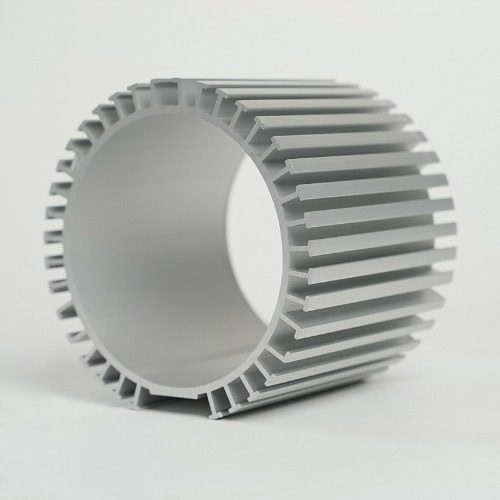
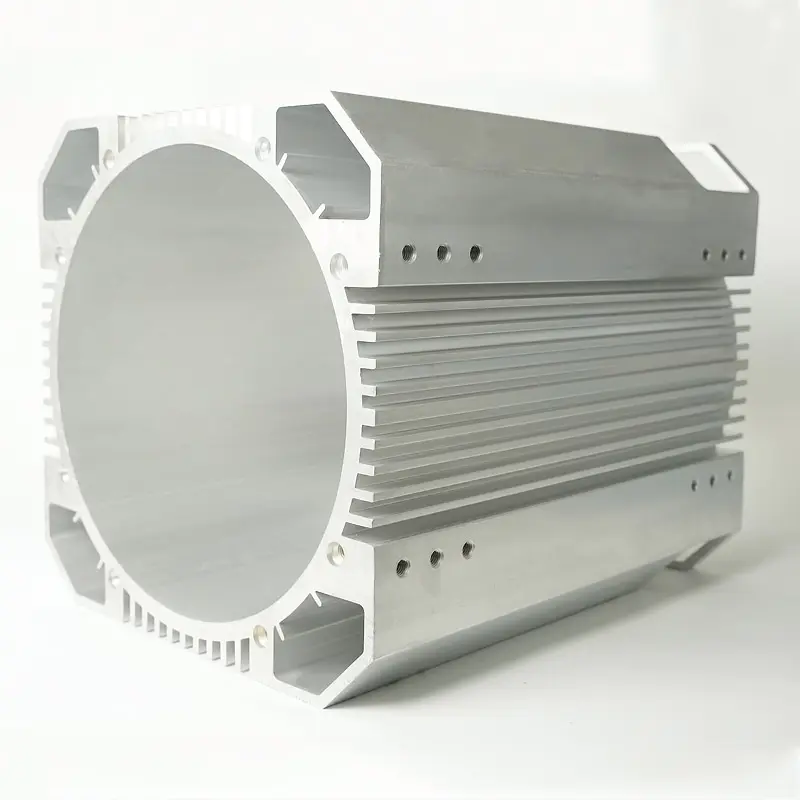
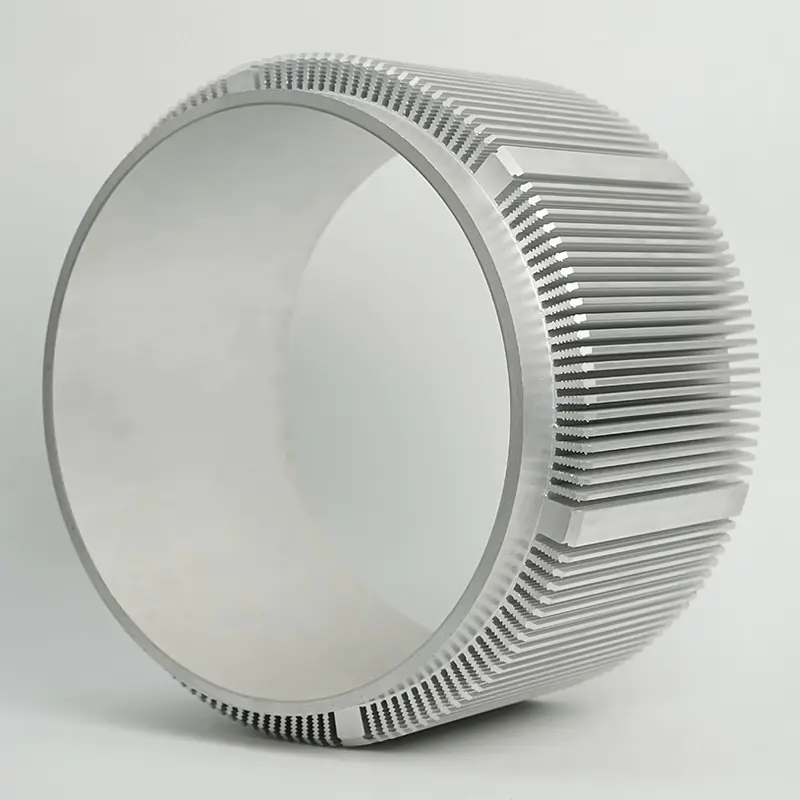
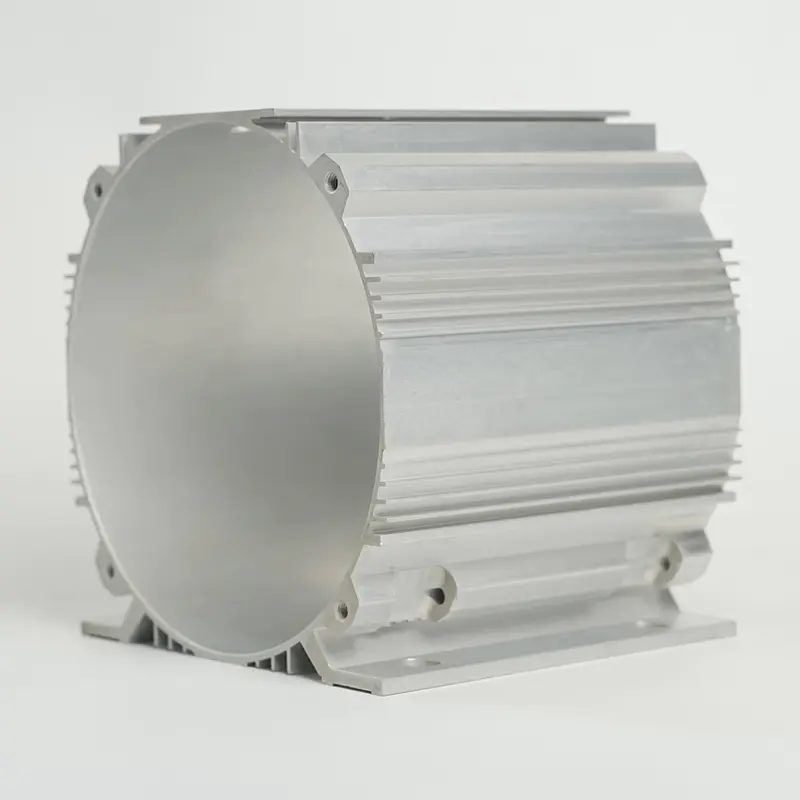
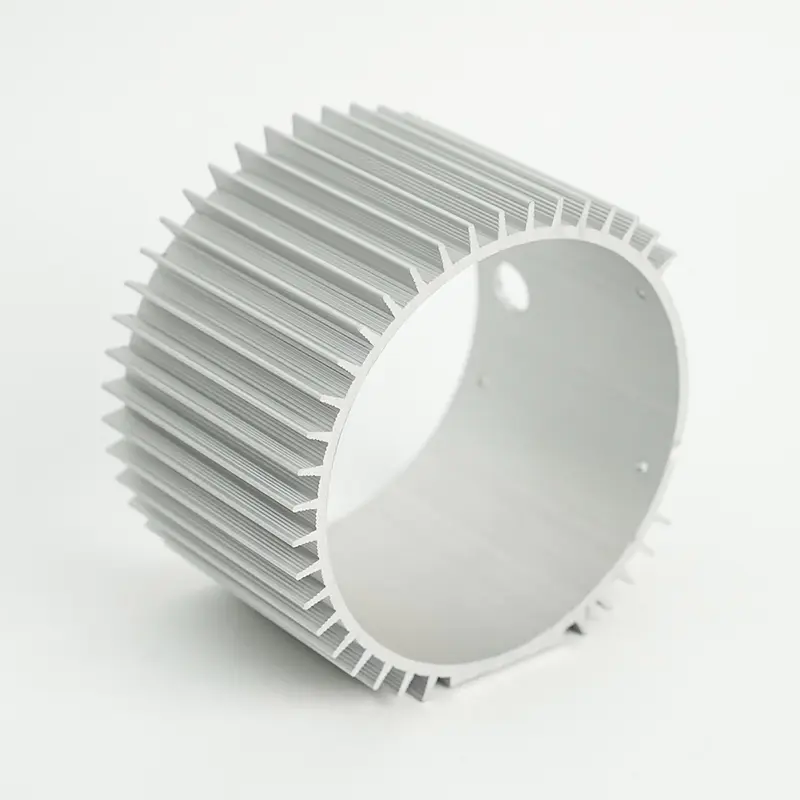
At the core of any energy storage system is the battery cell, a component notoriously sensitive to temperature. Excessive heat accelerates chemical degradation, leading to capacity fade, reduced power output, and ultimately, premature failure. An energy storage heat sinks housing is engineered to actively combat this. It incorporates extended surface areas (fins), thermally conductive materials, and often integrated liquid cooling channels or phase-change materials to efficiently transfer heat away from the battery modules. By maintaining the battery pack within its ideal temperature window (typically 15°C to 35°C), the housing directly contributes to maximizing cycle life. For instance, operating a lithium-ion battery consistently at 30°C instead of 40°C can potentially double its usable lifespan. This optimization is not merely about cooling; it's also about preventing cold-temperature performance drops and ensuring uniform temperature distribution across all cells, which is crucial for balancing and preventing hot spots. The precise engineering of these housings addresses the fundamental thermal challenges that dictate long-term performance and reliability.
- Extended Cycle Life: Consistent thermal regulation slows down the electrochemical degradation processes within battery cells, directly translating to more charge-discharge cycles over the system's lifetime.
- Maintained Capacity and Power: Batteries operate at peak efficiency within a narrow temperature range. Effective heat dissipation ensures they can deliver their rated capacity and accept high-power charges from renewable sources without throttling.
- Prevention of Thermal Runaway: While a safety feature, advanced housings with heat spreading capabilities can slow the propagation of a single cell's failure to neighboring cells, buying crucial time for safety systems to engage.
- Year-Round Performance: In colder climates, some advanced housings incorporate heating elements or insulation strategies to keep batteries at a minimum operating temperature, ensuring efficiency doesn't plummet in winter.
Comparing Passive vs. Active Cooling in Heat Sink Housings
The choice between passive and active cooling strategies for a heat sink housing for battery energy storage is a fundamental design decision with significant trade-offs in cost, complexity, and performance. Passive cooling relies solely on natural convection and radiation, using strategically designed fins and conductive pathways to dissipate heat into the ambient air. This approach is highly reliable, requires no moving parts or external power, and has minimal maintenance needs. However, its cooling capacity is limited by the ambient temperature and surface area. In contrast, active cooling employs forced air (fans) or liquid cooling loops to aggressively remove heat. This method offers superior thermal management, capable of handling higher power densities and more extreme environments, making it essential for high power density energy storage thermal solutions. The decision matrix involves balancing thermal load, environmental conditions, space constraints, and lifecycle costs.
| Feature | Passive Cooling (Finned Housing) | Active Cooling (Liquid/Fan-Assisted) |
| Cooling Capacity | Moderate, dependent on ambient conditions. | High, can be designed to meet specific thermal loads. |
| Energy Consumption | Zero (parasitic load). | Requires energy to run pumps or fans. |
| Complexity & Cost | Lower initial cost and system complexity. | Higher initial cost and more complex integration. |
| Maintenance Needs | Very low (possible dust cleaning). | Higher (fan/pump maintenance, coolant replacement). |
| Ideal Use Case | Lower power density systems, moderate climates, where reliability is paramount. | High-density ESS, containerized systems, hot climates, or demanding cycling schedules. |
Material Selection and Design for Durability and Efficiency
The efficacy of an energy storage heat sink housing is intrinsically linked to the materials from which it is constructed. The selection process must juggle multiple, often competing, properties: thermal conductivity, weight, corrosion resistance, structural integrity, and cost. Aluminum alloys are a predominant choice due to their excellent balance of high thermal conductivity, relatively low weight, and good machinability for creating complex fin structures. For corrosion resistant housing for outdoor battery packs, aluminum is often treated with anodization or powder coatings to withstand harsh environmental elements like salt spray, humidity, and UV radiation. In more demanding applications, copper (with superior conductivity) or advanced composites (for weight savings) may be considered. Beyond material, the geometric design is critical. Computational Fluid Dynamics (CFD) simulations are used to optimize fin density, height, and layout to maximize heat transfer surface area without impeding airflow. This holistic approach to material science and mechanical design ensures the housing is not just a container, but a high-performance thermal engine.
- Aluminum Alloys (e.g., 6061, 6063): The industry standard, offering a great mix of thermal performance, cost-effectiveness, and manufacturability for extruded heat sinks.
- Thermal Interface Materials (TIMs): Critical for filling microscopic gaps between the battery module and the housing wall. High-performance TIMs like thermal pads or phase-change materials ensure efficient heat conduction.
- Structural Composites: Emerging materials that embed thermally conductive particles (e.g., graphite, ceramics) into polymer matrices, offering design flexibility and weight reduction for mobile or aerospace ESS applications.
- Coolant Compatibility: For liquid-cooled housings, material choice must account for corrosion resistance against specific coolants (e.g., glycol-water mixtures) over a 10-15 year lifespan.
Key Design Considerations for Effective Heat Dissipation
Designing an effective energy storage heat sinks housing goes beyond selecting a material and adding fins. It requires a systems-thinking approach that considers the entire thermal pathway from the individual cell to the external environment. One primary consideration is the thermal interface between the battery cells/modules and the housing's cold plate or inner wall. Even the best conductive metal is ineffective if there's poor contact. This necessitates precise mechanical design for compression and the use of high-quality Thermal Interface Materials (TIMs). Another crucial aspect is airflow management. For passive or fan-assisted systems, the housing design must incorporate clear intake and exhaust paths, often using baffles or ducts to direct air precisely over the hottest surfaces. Furthermore, the design must account for real-world conditions like dust and debris, which can coat fins and drastically reduce efficiency—a key concern for outdoor battery cabinet heat dissipation design. These interrelated factors must be optimized in tandem to achieve a reliable and efficient thermal solution.
- Contact Pressure and Flatness: Ensuring uniform, high pressure across the entire contact area between battery and heat sink to minimize thermal resistance.
- Fin Orientation and Layout: Aligning fins with the natural or forced airflow direction to minimize pressure drop and maximize convective heat transfer.
- Liquid Cooling Channel Design: For active systems, channel size, shape (e.g., micro-channels, serpentine), and flow rate are optimized to remove maximum heat with minimal pump power.
- Modularity and Serviceability: Designing housings that allow for easy module replacement without compromising the thermal interface or sealing integrity.
Enhancing System Safety and Reliability in Demanding Environments
Safety is the non-negotiable cornerstone of energy storage. A well-designed energy storage heat sinks housing is a first line of defense against catastrophic failures. By actively managing temperature, it directly mitigates the primary risk factor for thermal runaway—a cascading failure that can lead to fire. The housing also serves as a robust physical barrier, containing any potential cell venting events and protecting internal components from external physical damage, moisture, and dust ingress. This is especially vital for outdoor battery cabinet heat dissipation design, where enclosures must meet stringent Ingress Protection (IP) ratings (e.g., IP65) to survive rain, wind-blown debris, and wide temperature swings. Reliability is intertwined with safety; a housing that maintains stable thermal conditions prevents the cyclical stress of expansion and contraction on battery cells and electrical connections, reducing the likelihood of mechanical failures and loose connections over time. This holistic protection ensures the ESS operates safely through its entire lifecycle, even in challenging installations.
- Thermal Runaway Mitigation: Housings with integrated heat spreading layers or fire-retardant barriers can delay propagation, allowing battery management systems (BMS) to isolate affected modules.
- Environmental Sealing: High IP-rated seals and gaskets prevent moisture and conductive dust from entering, which could cause short circuits or corrosion.
- Structural Integrity: The housing must withstand mechanical loads during shipping, installation, and operation, and provide mountings for proper seismic bracing where required.
- Electrical Isolation: Ensuring the conductive housing is properly grounded and electrically isolated from high-voltage battery terminals to prevent shock hazards.
Cost-Benefit Analysis and Long-Term ROI for Renewable Projects
While advanced energy storage heat sinks housing represents an upfront cost in a renewable energy system, it is an investment that yields substantial returns over the project's lifetime. The financial calculus extends far beyond the initial purchase price. A high-performance thermal management system directly protects the most expensive component: the battery bank. By extending battery life, it defers costly replacement cycles. By maintaining efficiency, it ensures more harvested renewable energy is stored and dispatched, rather than lost as heat, increasing revenue generation. Furthermore, by enhancing safety and reliability, it reduces the risk of unplanned downtime, expensive maintenance interventions, and potential liability. When evaluating options like a heat sink housing for battery energy storage, a Total Cost of Ownership (TCO) model is essential. This model factors in capital expenditure (CAPEX) for the housing and operational expenditure (OPEX) savings from longer life, higher efficiency, and lower maintenance. In nearly all commercial and utility-scale applications, the long-term OPEX savings and risk mitigation provided by a superior housing far outweigh a marginal increase in initial CAPEX.
- Battery Life Extension: Doubling a battery's lifespan through thermal management can effectively halve the long-term cost of energy storage (per kWh over the system's life).
- Efficiency Gains: Every percentage point reduction in parasitic cooling load or improvement in charge/discharge efficiency adds up to significant energy savings over 15+ years.
- Warranty and Insurance: Systems with robust, certified thermal management may qualify for better battery warranties and lower insurance premiums, directly impacting project finance.
- Reduced Downtime: Preventing thermal-related faults or safety shutdowns maximizes system availability, which is critical for grid services or commercial energy arbitrage.
FAQ
What is the difference between a standard battery enclosure and an energy storage heat sink housing?
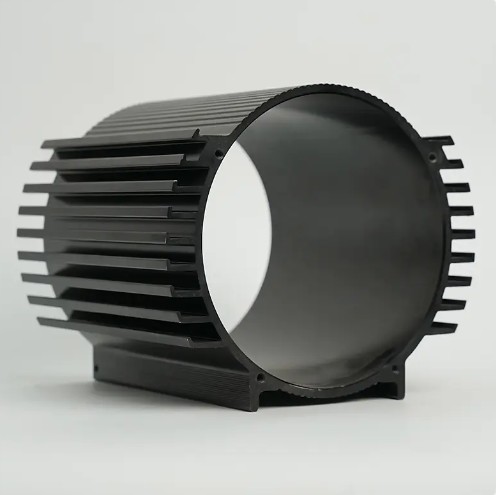
A standard battery enclosure is primarily a passive container focused on providing basic physical protection, mounting, and sometimes minimal environmental sealing. Its main goal is to "house" the batteries. In contrast, an energy storage heat sinks housing is an active, integral part of the thermal management system. It is engineered with high thermal conductivity materials (like aluminum with extensive finning), designed to efficiently pull heat away from the battery cells and dissipate it to the environment. Think of the former as a simple box, and the latter as a radiator or heat exchanger built specifically for batteries. This active design is crucial for managing the significant heat generated during high-current charging from solar/wind sources and discharging, which is why it's central to high power density energy storage thermal solutions.
How important is corrosion resistance for outdoor energy storage housings?
Extremely important. For any corrosion resistant housing for outdoor battery packs, this is a critical design requirement, not an optional feature. Outdoor installations expose the housing to rain, humidity, salt (in coastal areas), UV radiation, and pollution. Corrosion, especially galvanic corrosion between dissimilar metals, can compromise structural integrity, degrade thermal performance (as corroded surfaces lose conductivity), and eventually lead to seal failure or enclosure breach. This allows moisture ingress, which can cause catastrophic electrical failure. Therefore, high-quality housings use corrosion-resistant alloys (like specific aluminum series), employ protective finishes like powder coating or anodization, and utilize stainless steel fasteners. This ensures a 15-20 year service life in harsh environments, protecting the significant investment inside.
Can I retrofit a heat sink housing to an existing battery storage system?
Retrofitting is technically challenging and generally not recommended as a DIY project. Effective thermal management requires an integrated design where the heat sink housing for battery energy storage is precisely matched to the battery module's size, heat generation profile, and electrical connections. Retrofitting an off-the-shelf housing would likely result in poor thermal contact, making it ineffective. Furthermore, modifying an existing system can void safety certifications and warranties. The correct approach is to work with the original equipment manufacturer or a specialized engineer to evaluate if an external thermal management upgrade (like adding a dedicated cooling plate or forced air system) is feasible for your specific pack. In most cases, thermal management is a fundamental design element that is best addressed from the initial system design phase.
What maintenance does a liquid-cooled heat sink housing require?
Liquid-cooled systems, often used in high power density energy storage thermal solutions, require more scheduled maintenance than passive or air-cooled housings to ensure long-term reliability. Key maintenance tasks include: periodically checking and topping up the coolant level; testing the coolant mixture for pH and corrosion inhibitor concentration (usually annually); inspecting pumps and fans for proper operation; checking for leaks in tubing, connectors, and the cold plate; and cleaning external air filters or heat exchanger fins to maintain airflow. The coolant itself typically needs to be flushed and replaced every 3-5 years, depending on the formulation and operating conditions. While this requires more planning, the superior cooling performance of liquid systems for high-density applications makes this maintenance regimen a necessary and worthwhile investment for system stability.
How does thermal management impact the overall efficiency (round-trip efficiency) of an energy storage system?
Thermal management has a direct and multifaceted impact on round-trip efficiency (the percentage of energy put into storage that can be retrieved). First, the cooling system itself consumes power (parasitic load), which is lost. A well-designed energy storage heat sinks housing aims to minimize this through efficient passive design or optimally controlled active systems. More significantly, batteries have higher internal electrical resistance at non-optimal temperatures, causing more energy to be lost as heat during charge and discharge. By maintaining the ideal temperature, the housing minimizes these internal losses. Furthermore, extreme temperatures can cause the Battery Management System (BMS) to curtail charge/discharge power to protect the cells, effectively reducing usable capacity. Therefore, effective thermal management via a purpose-built housing ensures the batteries operate at peak electrical efficiency, directly maximizing the overall system's round-trip efficiency and the economic return from every kilowatt-hour of renewable energy stored.