
 English
 Español
Content
Introduction
In the rapidly evolving landscape of electric motor technology, the selection of the housing material is a critical design decision. The motor casing, often viewed as a simple protective shell, is actually a vital component that influences heat dissipation, structural integrity, weight, and overall operational efficiency. While cast iron has been the traditional standard for industrial machinery for decades, aluminum has increasingly become the material of choice for modern, high-efficiency applications. This article provides a technical analysis comparing these two primary materials.
Thermal Conductivity and Heat Dissipation
One of the most significant advantages of aluminum is its thermal conductivity. Aluminum possesses a thermal conductivity significantly higher than that of cast iron. In an electric motor, the heat generated by electrical resistance in the windings and friction in the bearings must be transferred to the ambient environment to prevent insulation degradation.
| Property | Aluminum Alloy | Cast Iron |
|---|---|---|
| Thermal Conductivity (W/mK) | 120 - 200 | 45 - 60 |
| Density (g/cm³) | ~2.7 | ~7.2 |
| Corrosion Resistance | High | Low (Requires coating) |
| Machinability | Excellent | Moderate |
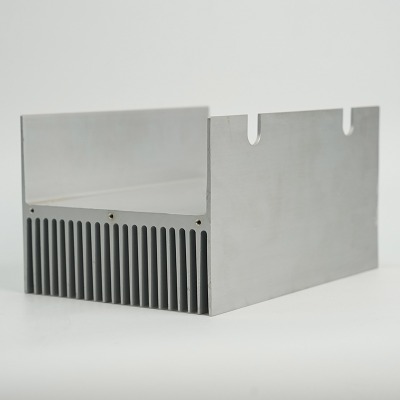
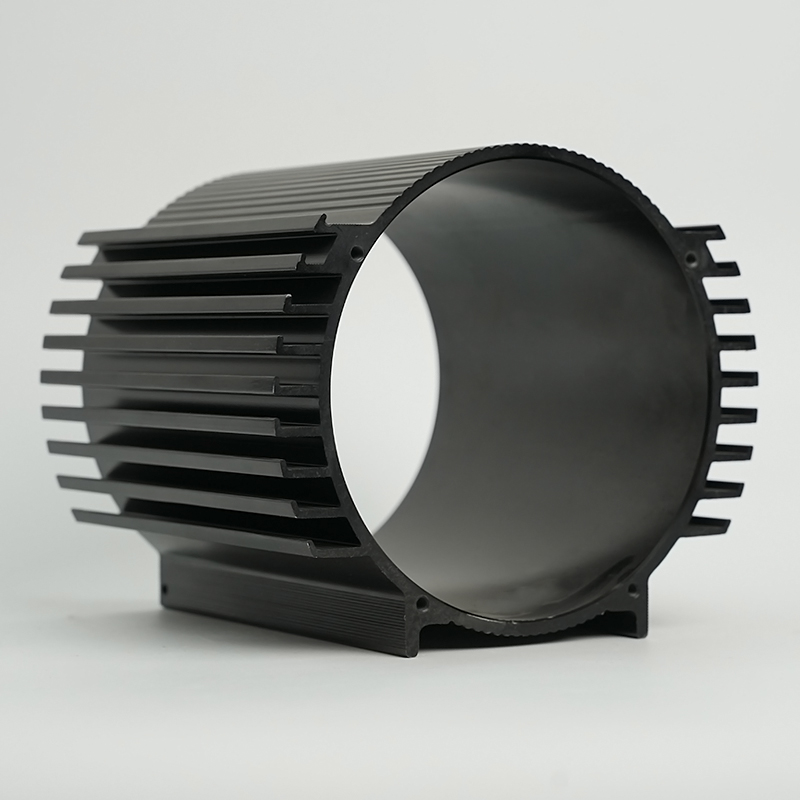
Because of its superior thermal properties, an aluminum casing acts as a more efficient heat sink, allowing the motor to run cooler or, conversely, allowing for a more compact motor design with higher power density.
Weight Reduction and Energy Efficiency
The difference in density between the two materials is substantial. Aluminum is roughly one-third the weight of cast iron. In applications where weight is a primary constraint, such as electric vehicles, aerospace, or portable industrial equipment, the transition to aluminum provides immediate benefits. Lower mass reduces the structural requirements of the mounting framework and improves the overall energy efficiency of the system.
Mechanical Strength and Rigidity
Cast iron is renowned for its exceptional durability and compressive strength. It is less prone to deformation under extreme mechanical stress and vibration compared to aluminum. This makes cast iron the preferred material for large-scale, heavy-duty industrial motors installed in harsh environments where the housing may be subject to physical impact. While aluminum alloys can be engineered to offer high strength-to-weight ratios, they remain softer than iron, meaning designers must carefully consider wall thickness and rib reinforcement to achieve the necessary structural rigidity.
Corrosion Resistance and Surface Treatment
Aluminum forms a natural, protective oxide layer when exposed to air, which provides excellent resistance to corrosion in many environments. This natural passivity reduces the need for additional protective coatings in moderate conditions. Cast iron, however, is highly susceptible to rust and oxidation. To maintain longevity, cast iron housings require robust surface treatments such as primers, paints, or specialized powder coatings. While aluminum can also be anodized or powder-coated for specific aesthetic or protective requirements, its base material inherently offers superior environmental resistance.
Machinability and Manufacturing Versatility
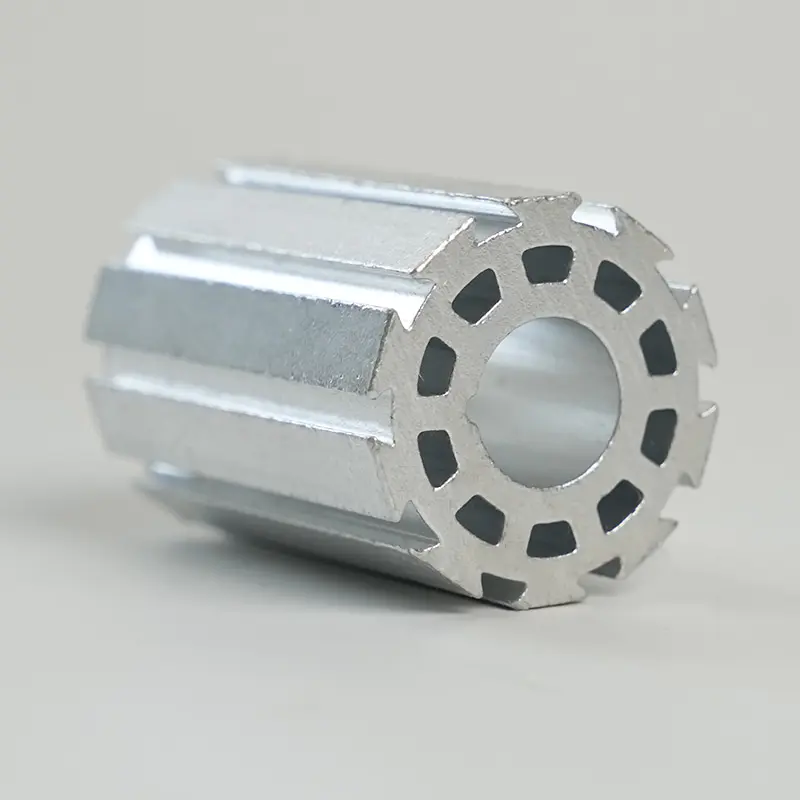
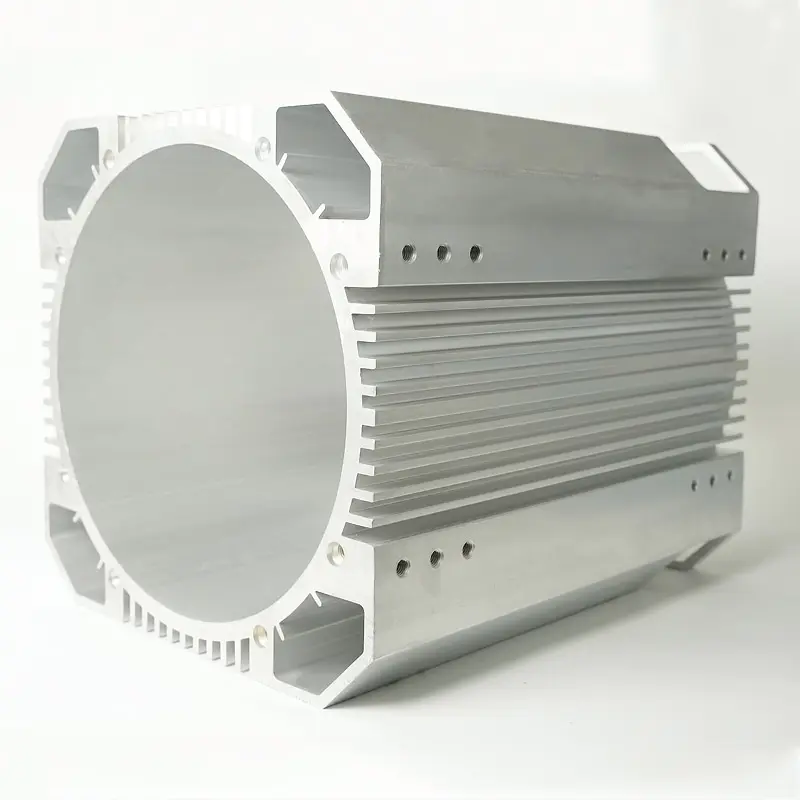
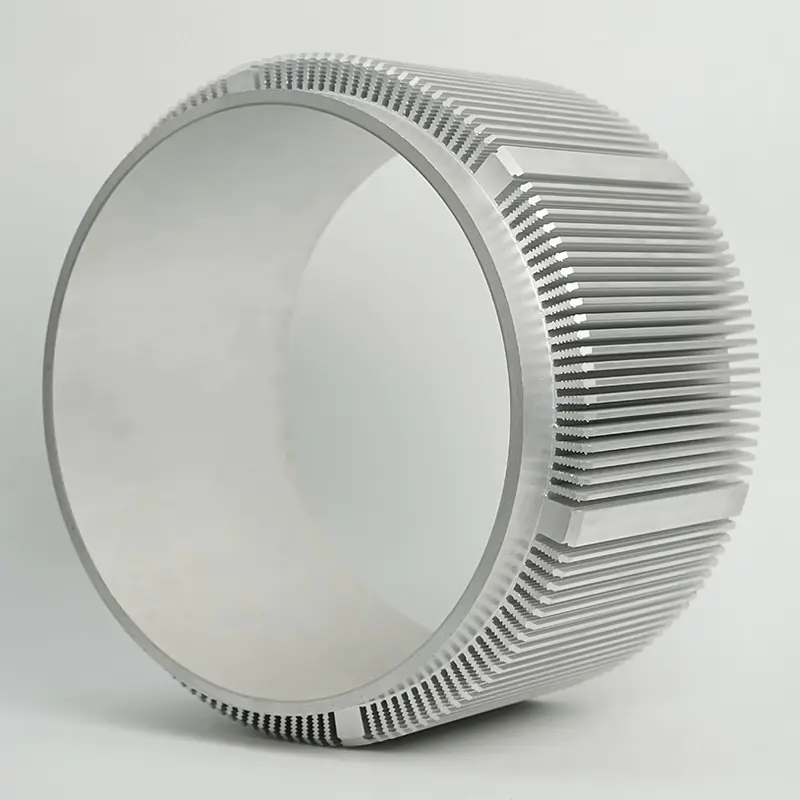
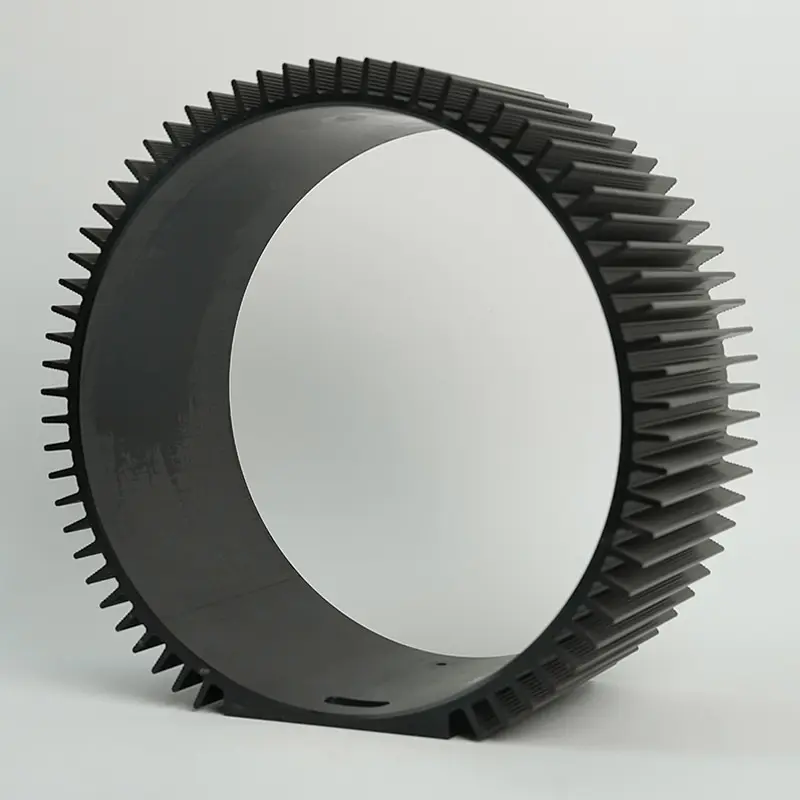
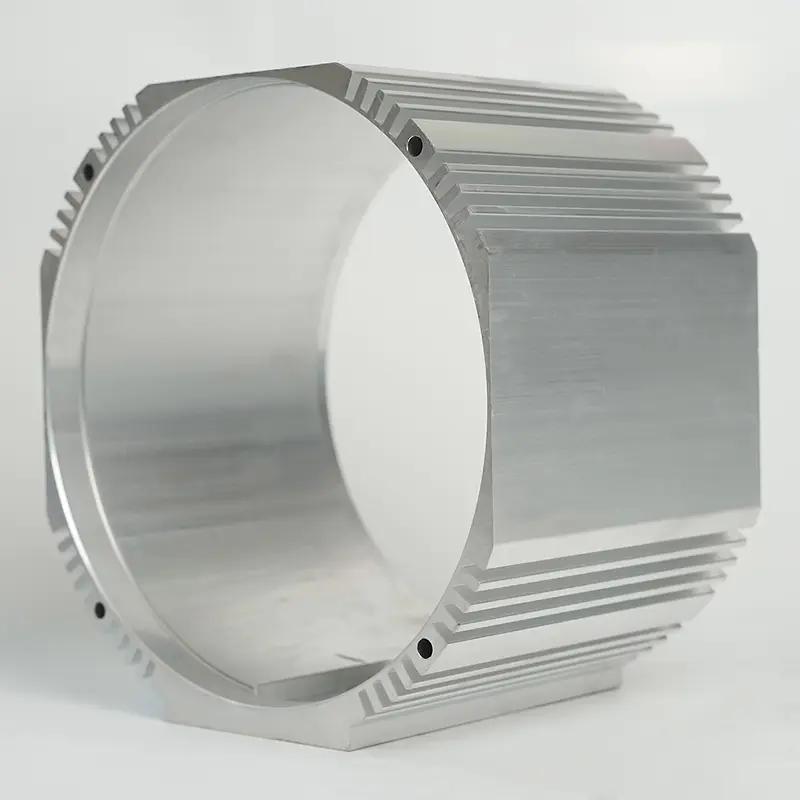
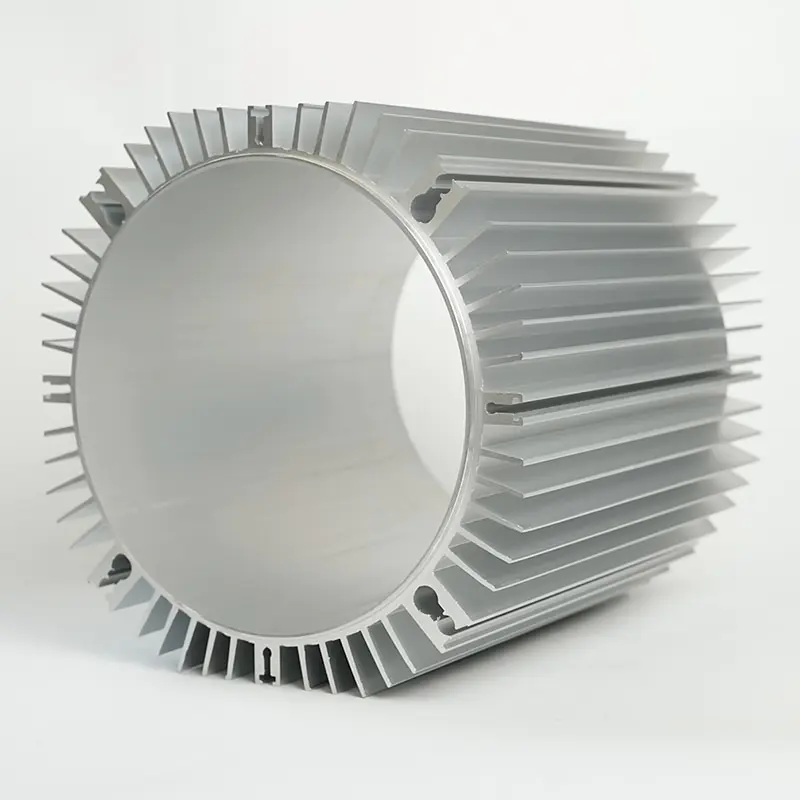
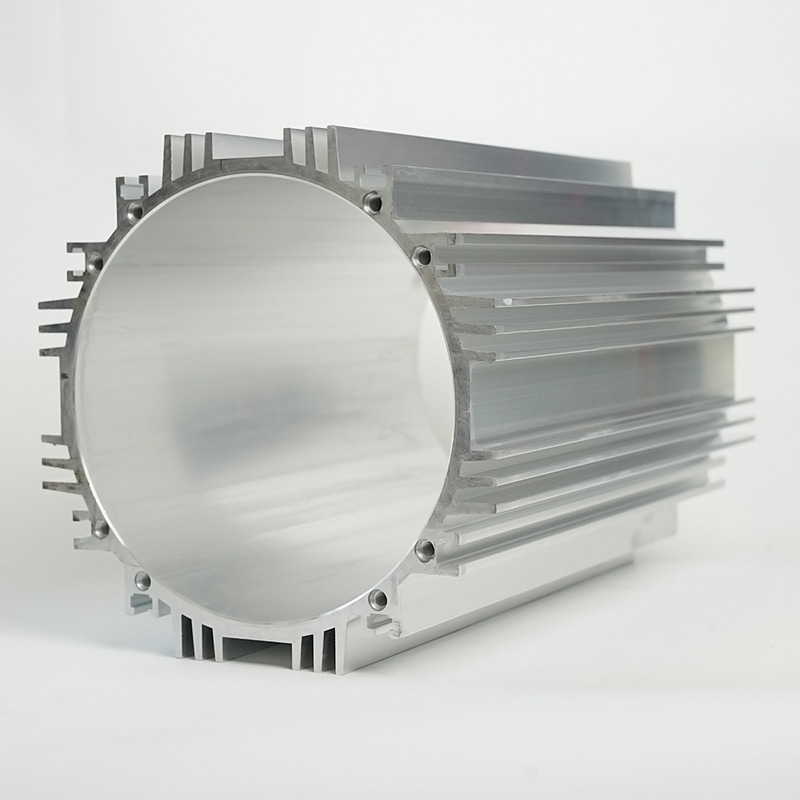
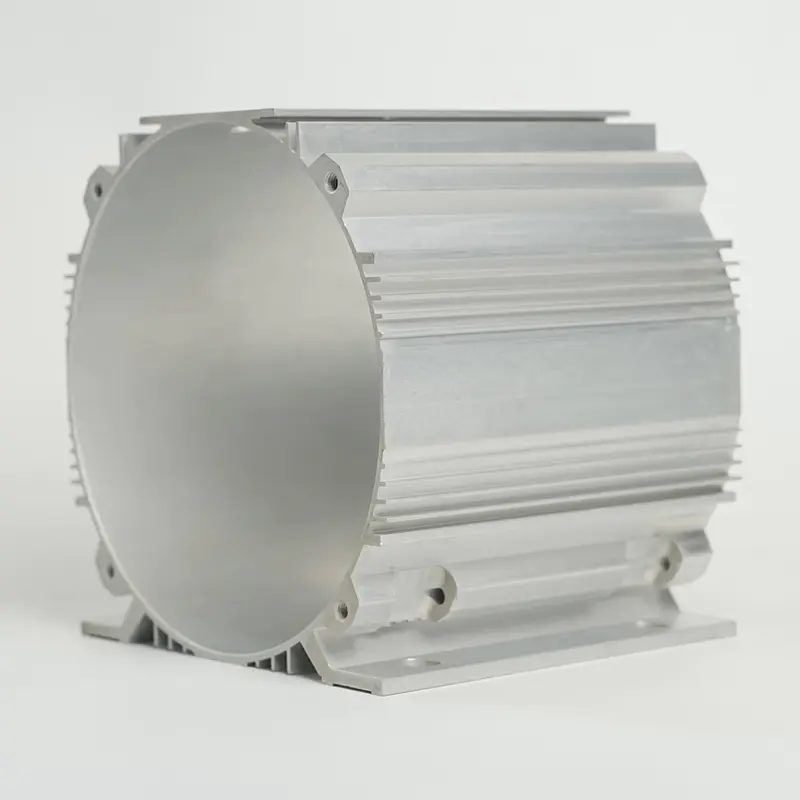
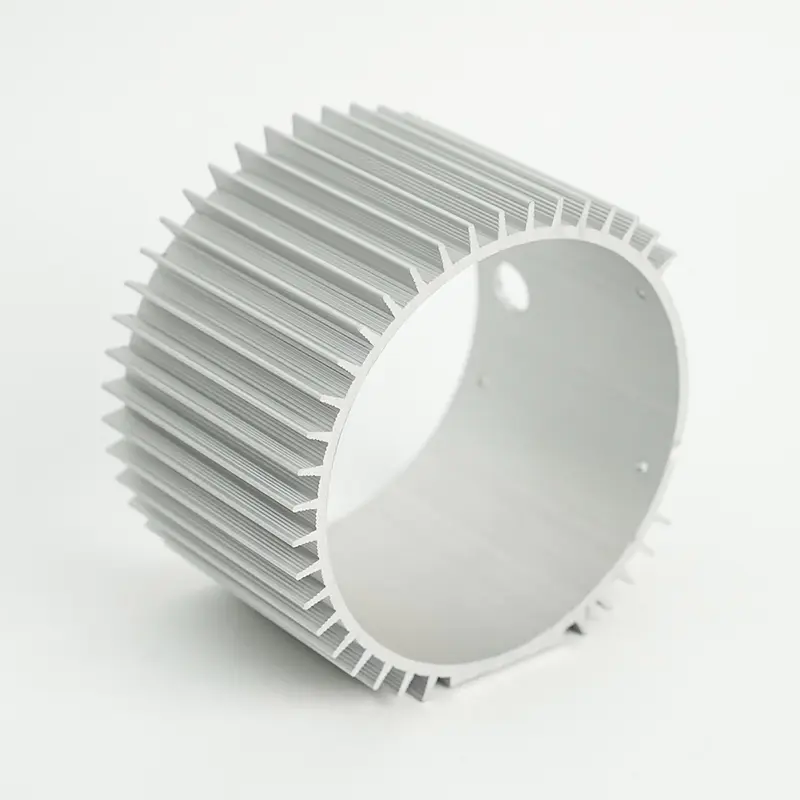
From a manufacturing perspective, aluminum offers unparalleled flexibility. It can be easily die-cast, extruded, or CNC machined to accommodate complex geometries, such as intricate internal cooling channels or custom external cooling fins. These features are often difficult or cost-prohibitive to achieve with cast iron. The ability to create complex shapes allows engineers to optimize the airflow over the motor surface, further enhancing heat dissipation.
Economic Considerations
While aluminum often commands a higher raw material cost than cast iron, the total cost of ownership must be evaluated. Aluminum components require less machining energy, offer weight savings that reduce shipping and handling costs, and provide superior efficiency that can lead to energy savings over the motor’s operational lifespan.
Conclusion
The choice between aluminum and cast iron is not a matter of one being universally superior, but rather one of matching material properties to the specific application. Aluminum is the clear winner for applications prioritizing lightweight design, high thermal performance, and manufacturing flexibility. Cast iron remains a stalwart for applications where high mass and maximum mechanical robustness are non-negotiable.
FAQ
- Q: Why is aluminum preferred for high-efficiency electric motors?
A: Aluminum’s high thermal conductivity allows for superior heat dissipation, which keeps motor windings cooler and improves overall energy efficiency. - Q: Can aluminum casings be used in heavy-duty industrial environments?
A: Yes, provided the design incorporates appropriate wall thickness and rib reinforcement to handle mechanical loads, though cast iron is still often chosen for extreme impact scenarios. - Q: How do internal cooling channels improve performance?
A: Integrated cooling channels increase the surface area available for heat exchange and facilitate the flow of cooling media (liquid or air), significantly reducing operating temperatures. - Q: Is corrosion an issue with aluminum motor casings?
A: No, aluminum forms a natural oxide layer that provides excellent protection; additional finishes like anodizing can further enhance this resistance. - Q: Does the motor housing material affect the electrical performance?
A: The housing material itself does not conduct electricity within the motor, but by improving thermal management, it allows the internal electromagnetic components to operate within their optimal temperature ranges.
References
- Material Properties of Aluminum Casting Alloys, Engineering Metals Handbook.
- Thermal Management in Electric Motors, Journal of Electrical Engineering & Technology.
- Cast Iron vs. Aluminum: Industrial Application Standards, Manufacturing Technology Review.
- Heat Dissipation Techniques for Compact Motor Enclosures, International Journal of Heat and Mass Transfer.