
 English
 Español
Content
Introduction
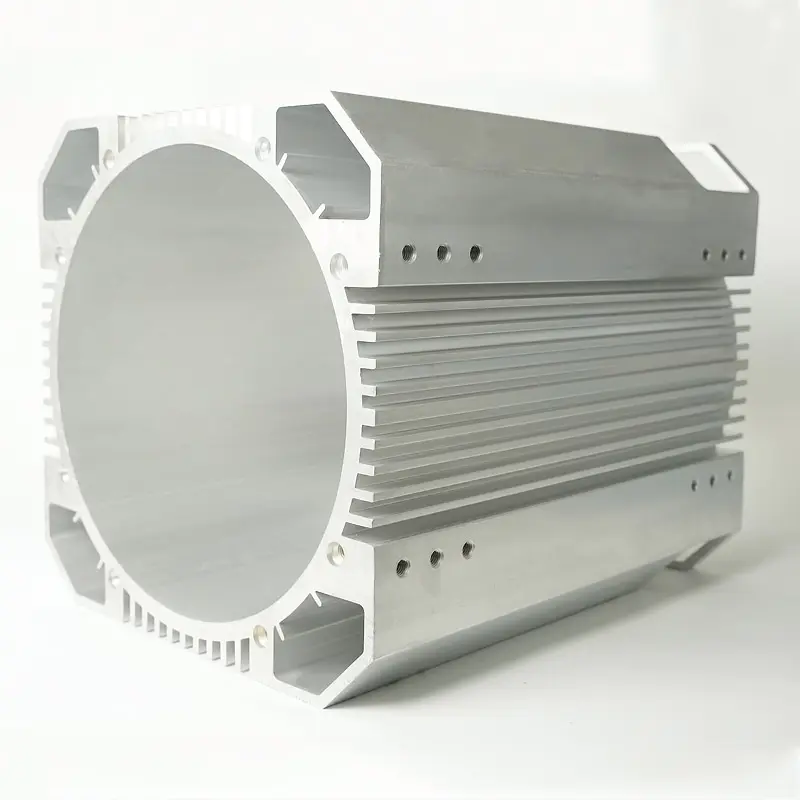
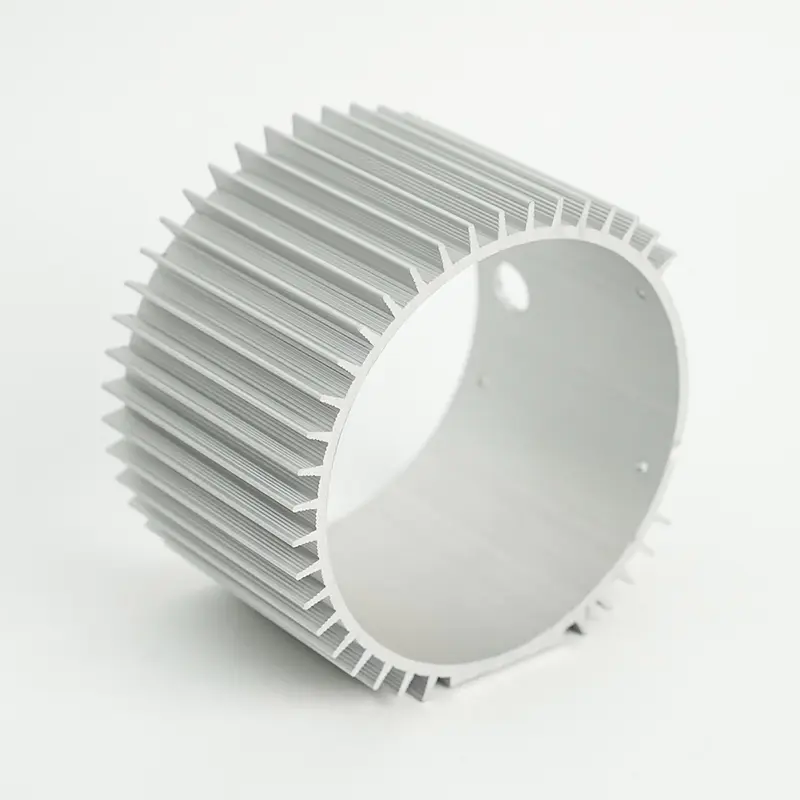
In the world of electronics and industrial power systems, managing thermal energy is the primary determinant of device longevity and reliability. A heat sink housing is more than just a mechanical enclosure; it is a critical component that facilitates the transfer of thermal energy from a high-temperature source to a lower-temperature cooling medium, typically ambient air or a circulating fluid. While the design and surface area of the housing play essential roles, the fundamental choice of material dictates the thermal conductivity, weight, and mechanical robustness of the entire system.
The Fundamental Science of Thermal Conductivity
Thermal conductivity is the property of a material to conduct heat. In heat sink housing design, engineers rely on Fourier’s Law of heat conduction to determine how quickly a component can shed heat. Materials with higher thermal conductivity allow for a more efficient pathway from the internal electronic component to the outer fins of the housing. When a housing is made of a material with poor conductivity, heat accumulates at the base, leading to “hot spots” that can degrade semiconductor performance or trigger thermal shutdown.
Aluminum: The Industry Standard
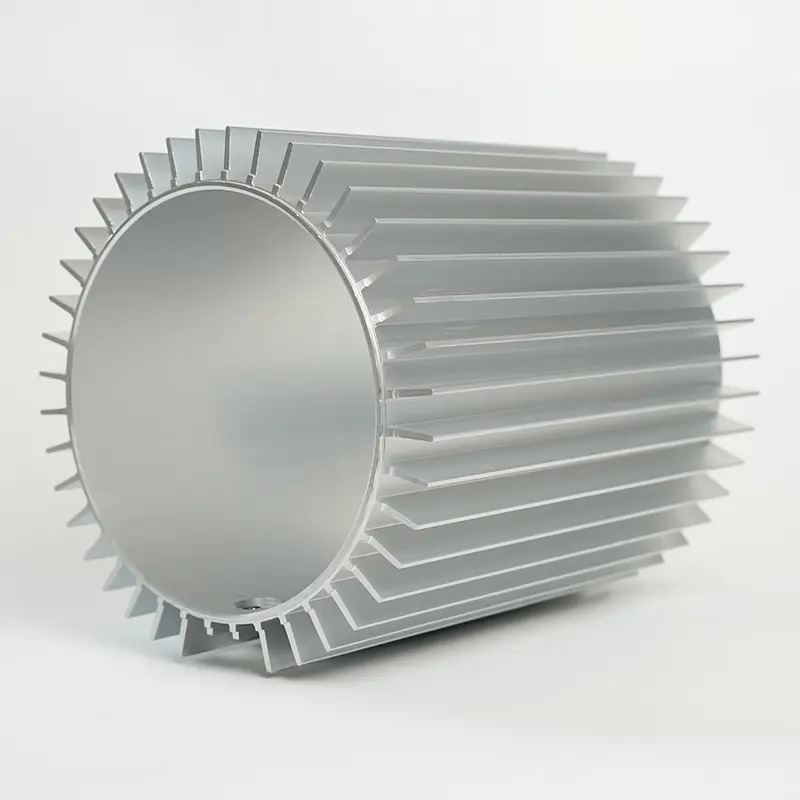
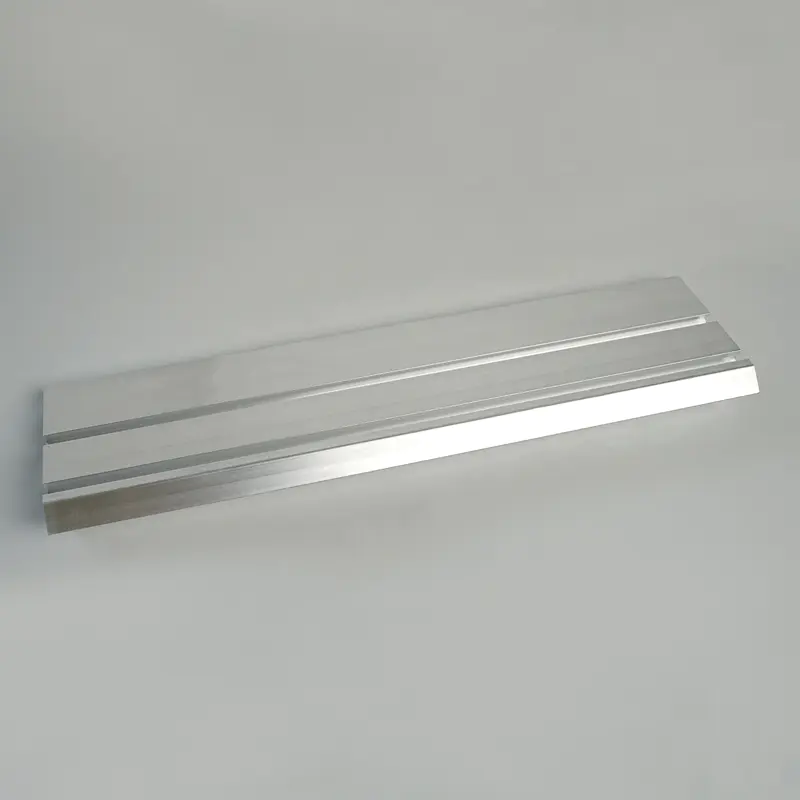
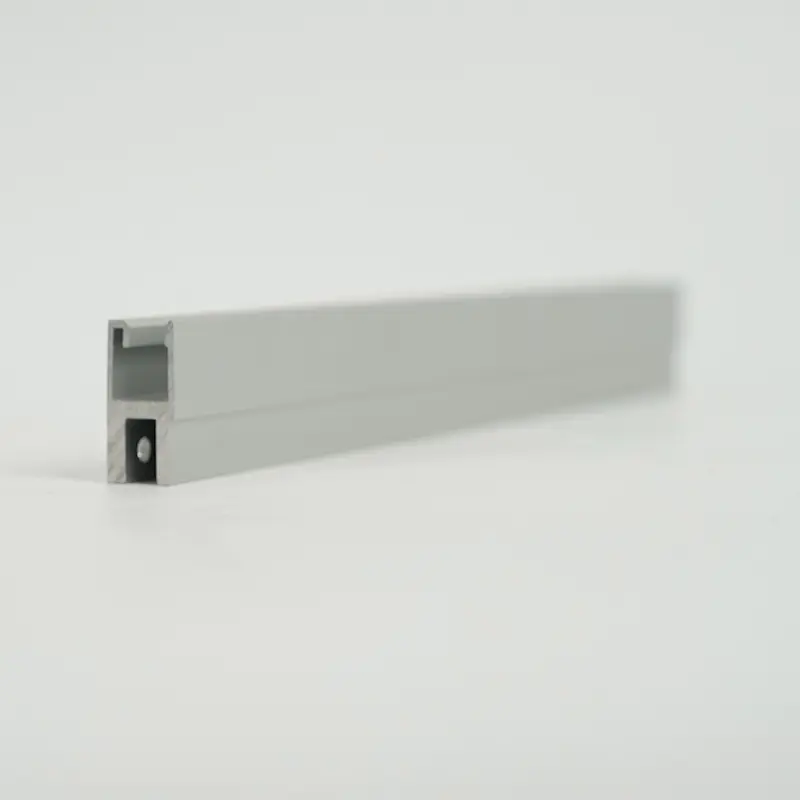
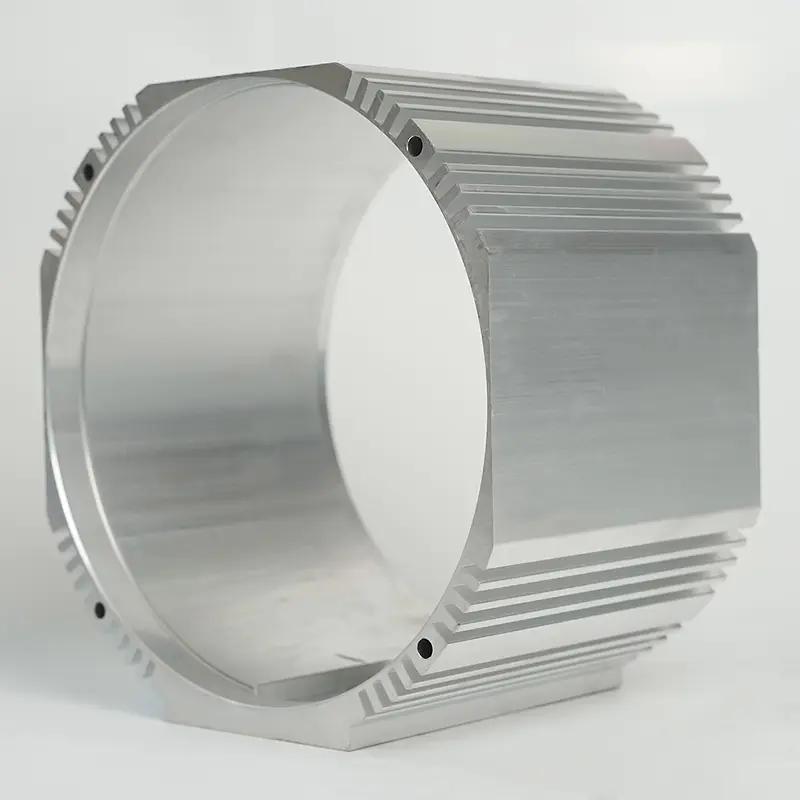
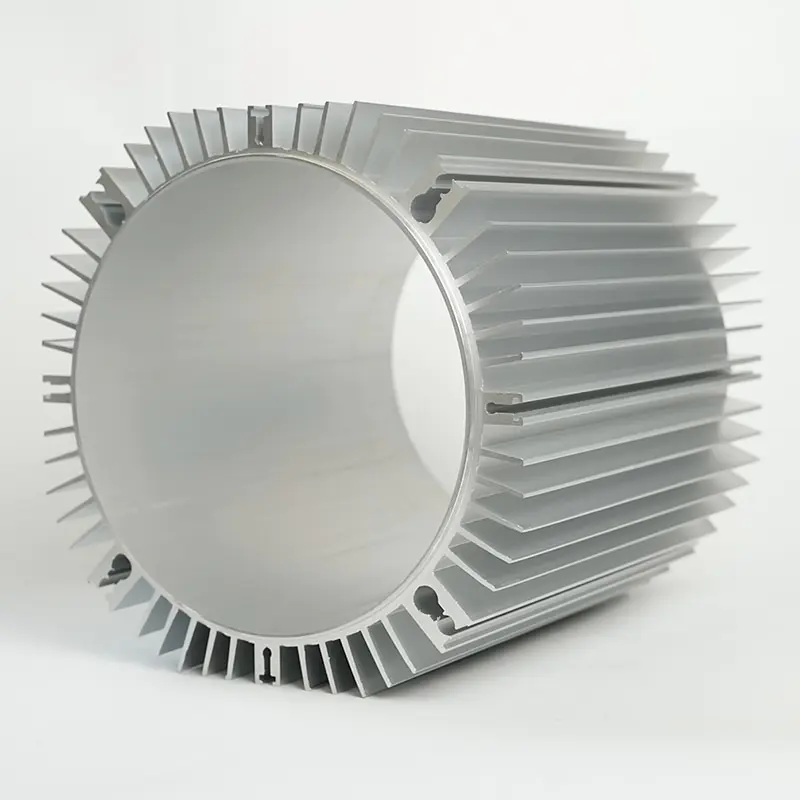
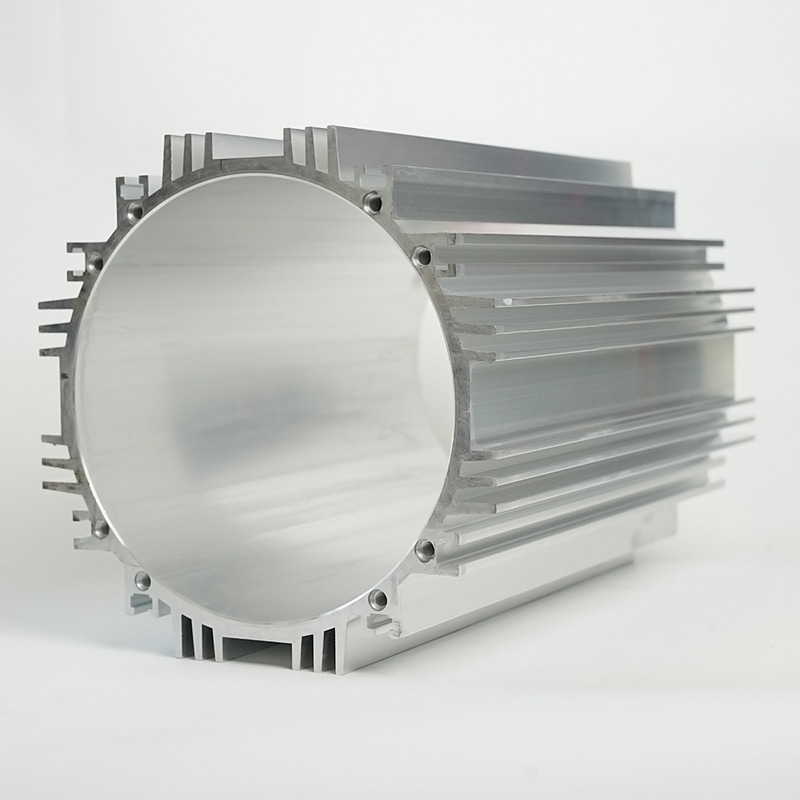
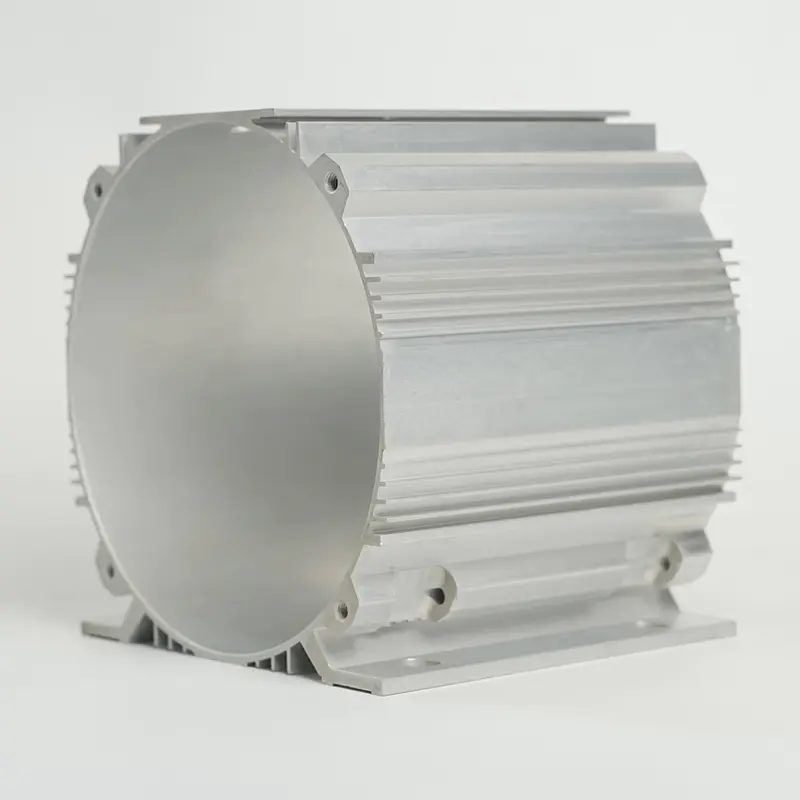
Aluminum alloys, particularly the 6000 series, are the most widely utilized materials for heat sink housings. Aluminum offers an excellent balance of cost, weight, and thermal performance.
- Thermal Performance: With a thermal conductivity ranging from 180 to 235 W/mK depending on the alloy, aluminum is sufficient for the majority of consumer and industrial cooling requirements.
- Weight Advantages: The low density of aluminum makes it ideal for portable devices, automotive applications, and aerospace, where weight reduction is a key design goal.
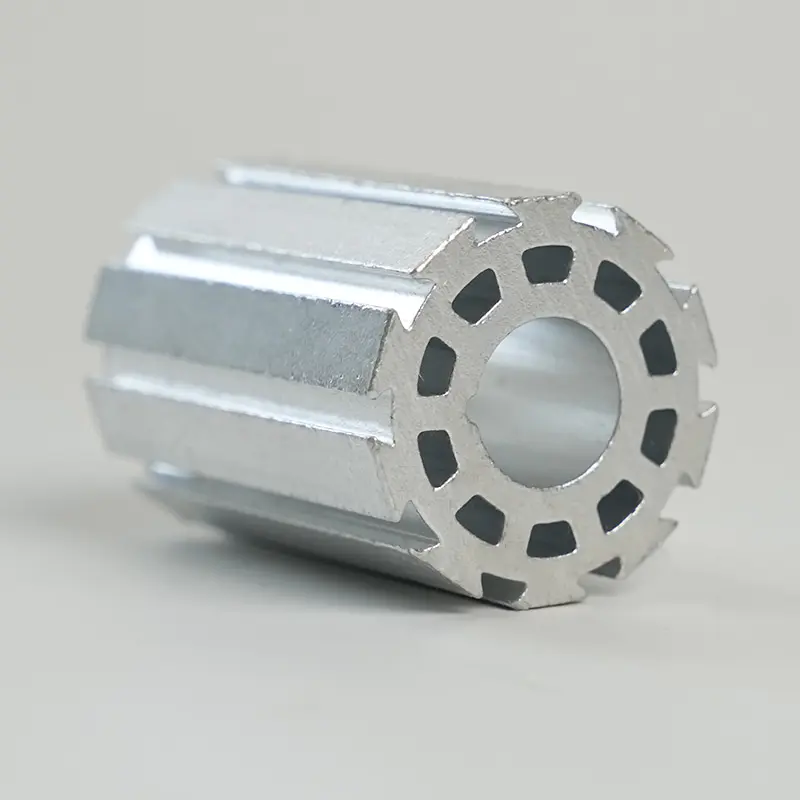
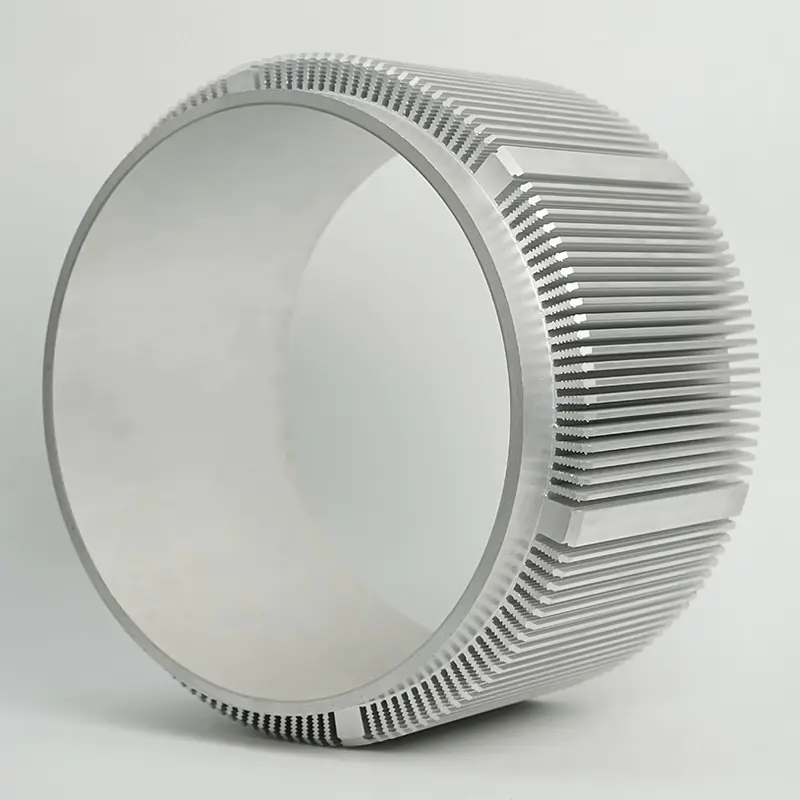
- Manufacturing Versatility: Aluminum can be extruded into complex shapes with high precision. This allows for intricate fin geometries that maximize surface area without adding excessive bulk.
- Corrosion Resistance: Through a process known as anodizing, aluminum housings can be treated to form a hard, protective oxide layer that resists environmental degradation.
Copper: The High-Performance Alternative
Copper is the material of choice when thermal management demands exceed the capabilities of aluminum. With a thermal conductivity of approximately 390 to 400 W/mK, copper is nearly twice as effective as aluminum.
- High Power Density: In applications involving high-performance computing, laser diode arrays, or high-density power electronics, copper is often required to move massive amounts of heat rapidly from a small surface area.
- Challenges: Copper is significantly denser and more expensive than aluminum. It is also more difficult to machine and extrude, leading to higher manufacturing overhead.
- Hybrid Solutions: To bridge the gap, many modern designs utilize “base-to-fin” hybrid approaches. A copper base is used to contact the heat source directly, while aluminum fins are bonded to the base to provide lightweight, cost-effective surface area for air convection.
Material Comparison Table
| Property | Aluminum (6063-T6) | Pure Copper |
|---|---|---|
| Thermal Conductivity (W/mK) | ~200 - 220 | ~390 - 400 |
| Density (g/cm³) | ~2.7 | ~8.9 |
| Relative Cost | Low | High |
| Ease of Machining | Excellent | Moderate |
| Oxidation Resistance | High (with Anodizing) | Moderate (requires Plating) |
Optimizing the Design for Application Needs
Selecting the right material is only the first step. The housing must be designed to work in tandem with the material’s properties. For example, because aluminum has lower conductivity, engineers often compensate by designing taller or more densely packed fins to increase the effective surface area for convective cooling. Conversely, because copper is expensive, a copper heat sink housing is often designed to be thinner, focusing on heat spreading rather than bulk mass.
The Role of Surface Finishes
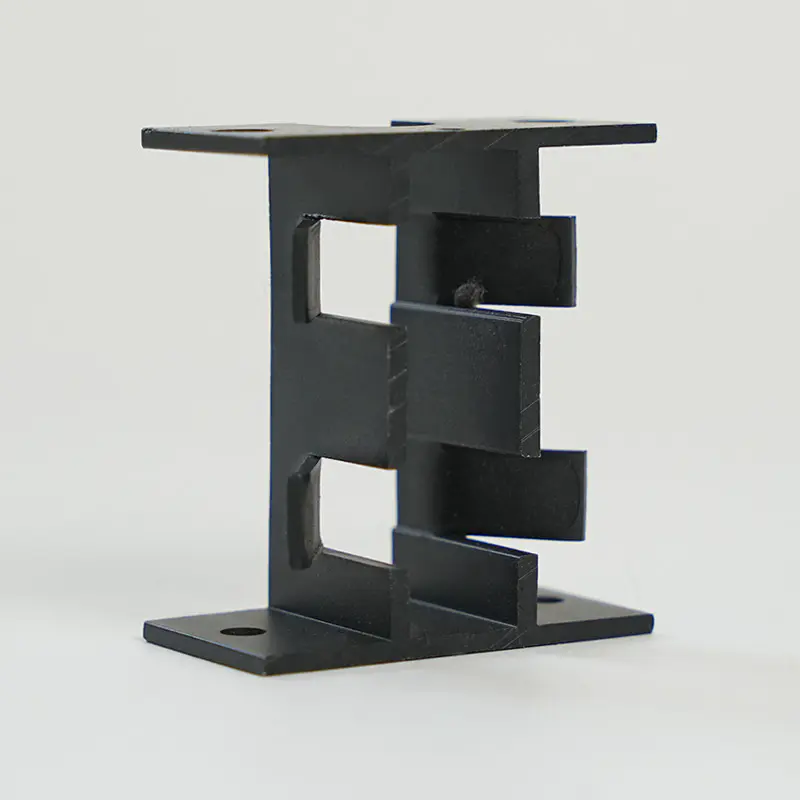
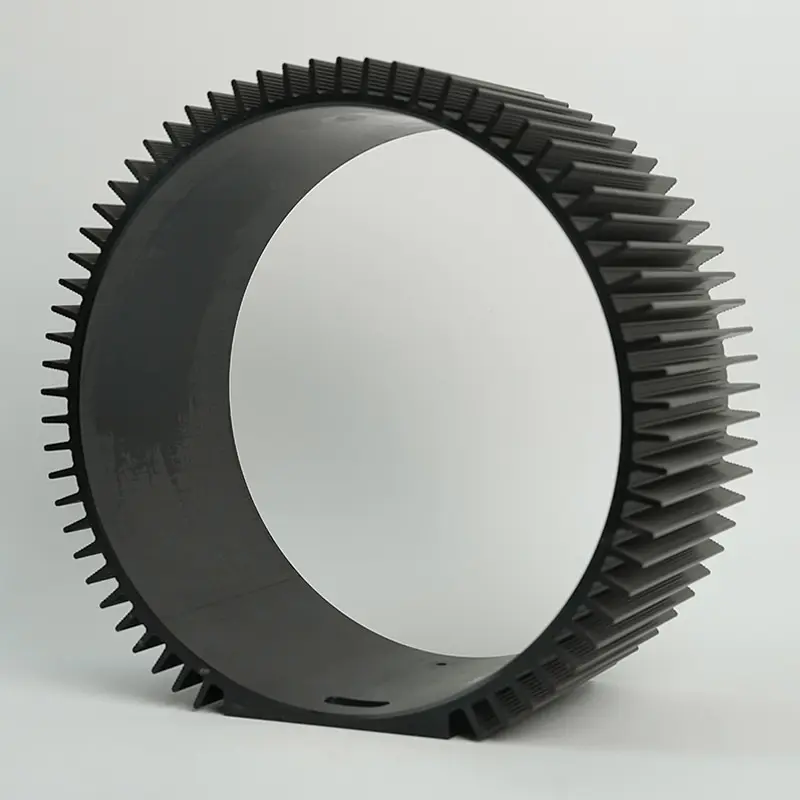
Regardless of the base material, the surface finish of the heat sink housing is critical. Anodizing for aluminum or nickel/tin plating for copper not only prevents oxidation but also increases emissivity. High-emissivity surfaces radiate heat more effectively, which is particularly beneficial in natural convection environments where airflow is minimal. Black anodization is a common, effective choice for increasing the radiative heat loss of aluminum housings.
Manufacturing Considerations
The choice of manufacturing process—extrusion, skiving, forging, or CNC machining—is inherently linked to the material chosen. Extrusion is highly efficient for aluminum and allows for long, consistent profiles at low cost. For projects requiring high-density fins that cannot be extruded, skiving (a process of slicing thin layers from a block) is often used for both copper and aluminum to create high-aspect-ratio fins.
Conclusion
There is no “one-size-fits-all” material for heat sink housing. The decision must be based on a rigorous analysis of the power dissipation requirements, space constraints, environmental conditions, and budget. For most general-purpose applications, aluminum provides the ideal value proposition. However, when the heat density is extreme, the superior thermal conductivity of copper becomes an indispensable asset. By understanding the trade-offs between thermal efficiency, mass, and manufacturing complexity, engineers can create housing solutions that maximize the reliability and performance of their electronic systems.
FAQ
1. Why is aluminum more commonly used for heat sink housings than copper?
Aluminum is the industry standard because it offers a superior balance of cost-effectiveness, low weight, and adequate thermal conductivity for most applications. Copper is reserved for high-power scenarios where its higher cost and weight are justified by its superior thermal conductivity.
2. Can I combine aluminum and copper in a single housing design?
Yes, hybrid designs are common. A copper base is often used for direct contact with the heat source to maximize heat absorption, while aluminum fins are attached to the base to provide a lightweight, efficient surface area for heat dissipation.
3. Does the color of the heat sink housing affect its performance?
Yes, in terms of radiation. Dark-colored or black anodized surfaces have higher emissivity compared to shiny or bare surfaces, which allows them to dissipate more heat through radiation, especially in environments with limited airflow.
4. How does the manufacturing process affect my choice of material?
Some processes are better suited to certain materials. Aluminum is excellent for extrusion, which is low-cost for mass production. Copper is often better suited for skiving or CNC machining to achieve high-performance geometries.
5. How do I determine if my device needs a high-performance material?
If your thermal modeling indicates that you cannot maintain safe operating temperatures within the available space using aluminum, or if the heat source has very high power density, it is time to consider copper or hybrid solutions.